Professional Plumbing Services in Norwich
E-mail us: viktors.plumbing@gmail.com
24 Hour Emergency Plumbing Service

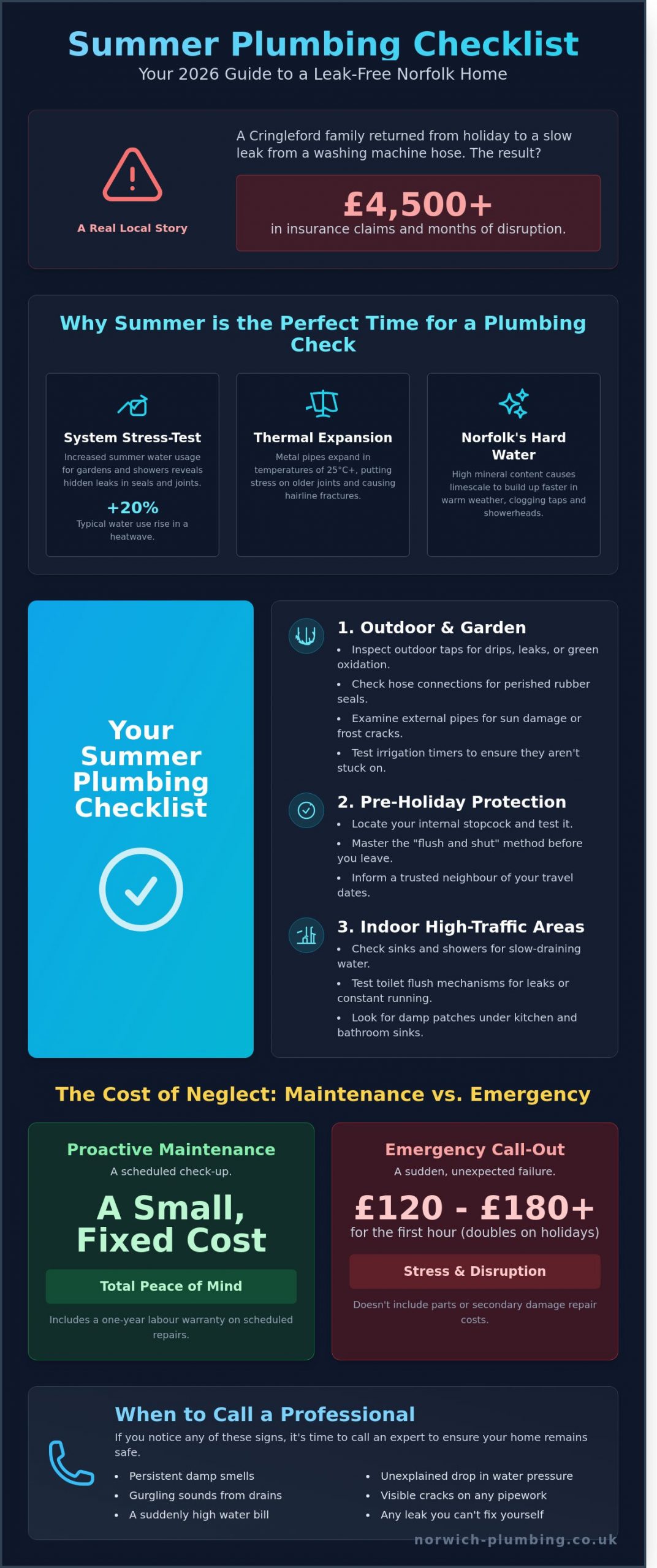
Last July, a family in Cringleford returned from a ten-day holiday to find their ground floor ruined by a slow leak from a washing machine hose. This single incident resulted in an insurance claim exceeding £4,500 and months of disruption. It’s a scenario that plays out across Norfolk every year when homes are left unattended, which is why we’ve developed a summer plumbing checklist to help you avoid similar disasters.
You likely want to spend your summer enjoying the Broads or relaxing in the garden rather than worrying about hidden pipework failures. We understand that high water bills from increased garden irrigation and the constant battle against Norfolk’s hard water limescale can be frustrating. Don’t let a preventable leak ruin your break. We’ve compiled this expert guide to help you achieve a leak-free home, lower your utility costs, and provide total peace of mind while you travel in 2026. This guide walks you through essential outdoor tap inspections, internal pipe checks, and professional descaling tips tailored specifically for our local conditions.
Summer provides the ideal window for essential home maintenance. While your heating system remains idle, we have the opportunity to inspect your pipework without causing a major disruption to your daily routine. It’s the most practical time to follow a summer plumbing checklist to ensure your home remains efficient during the warmest months of the year. By examining modern plumbing systems during this period of low demand, we can identify small leaks or blockages before they escalate into expensive floods.
Increased domestic usage acts as a natural stress-test for your property. You’ll likely use the garden hose more frequently for the lawn; family members take more showers to stay cool; and the washing machine runs constantly to keep up with summer wardrobes. Data shows that UK households typically see a 20% rise in water consumption during a heatwave. This extra volume often exposes hidden weaknesses in seals and joints. If a pipe is already compromised, this sustained pressure will eventually cause it to fail completely.
Living in Norfolk presents specific challenges that require a local’s perspective. Our regional water is classified as “very hard,” containing high levels of calcium carbonate. During the summer, as temperatures rise, this limescale can harden more rapidly inside your taps and showerheads. Residents in the Norwich city centre, particularly in Victorian terraces or older flint cottages, often deal with narrow copper piping. These systems struggle with the sudden shifts in water pressure that occur when the whole neighbourhood is watering their gardens at 6:00 PM.
Thermal expansion is a physical reality for Norfolk homes. When external temperatures hit 25°C or higher, metal pipes physically expand. This movement puts immense pressure on older joints and solder, leading to hairline fractures. High humidity levels, which often exceed 70% in East Anglia during July, lead to heavy condensation on cold water pipes. This moisture drips onto floorboards and joists, causing hidden damp and rot. Furthermore, stagnant water in outdoor pipes can reach temperatures between 20°C and 45°C. This creates a perfect breeding ground for bacteria if your external taps aren’t flushed and cleaned regularly.
Beyond structural damage, this moisture also creates an ideal environment for common household pests. For homeowners interested in expanding their maintenance checklist, the blog at vanishcanada.com offers further reading on pest prevention strategies.
An emergency plumbing call-out in the Norwich area currently averages between £120 and £180 for the first hour of labour alone. These prices often double during August bank holidays or weekend peaks. This cost doesn’t account for the price of replacement parts or the secondary damage caused to your flooring and furniture. A proactive summer plumbing checklist prevents these sudden, unbudgeted expenses. We provide a professional one-year labour warranty on all our scheduled repairs, giving you total peace of mind while you’re away on your summer holiday. Investing in a simple check-up costs a fraction of a midnight emergency visit. Our team ensures your home remains a place of comfort rather than a source of stress.
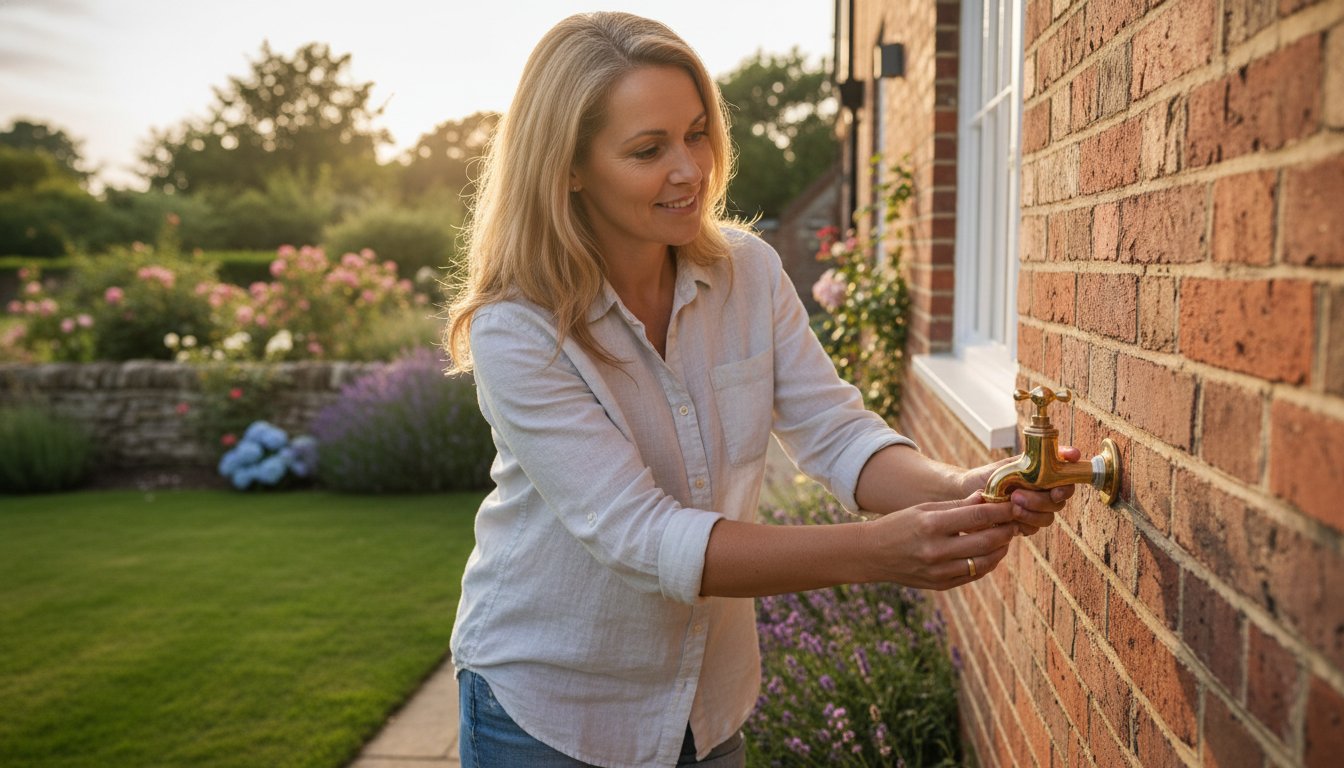
Your garden tap is the workhorse of the summer months. It’s easy to overlook, but a neglected tap adds pounds to your water bill. A single drip every 2 seconds wastes 4,000 litres of water annually. Start your summer plumbing checklist by inspecting the tap body and the spout for signs of wear. Look for green copper oxidation or damp patches on the brickwork. These signals indicate a slow leak that could damage your home’s foundation or cause moss growth on your paths.
Check your hose pipe connections and any automatic irrigation systems. Perished rubber seals or loose plastic connectors cause significant pressure loss. If you notice a drop in flow, it’s often a simple fix involving a 50p O-ring rather than a new hose. You should also evaluate all exposed external pipework for hairline cracks. Pipes that survived the winter frost might have weakened. As temperatures rise to 25°C or higher, the material expands, turning small stress fractures into significant leaks. Run your hand along the underside of the pipes to feel for moisture, especially around joints and brackets.
Maintaining these components ensures you don’t waste water during the driest months of the year. It also prevents the sudden loss of pressure when you need it most for gardening or cleaning the car. If you find a cracked pipe or a stubborn leak, our local experts provide reliable repairs with transparent pricing to get your garden back in order.
Most outdoor taps in Norwich use a simple compression washer. If the tap drips when fully closed, the internal washer is likely worn. Replacing this costs less than £5 in parts. You must also ensure your tap has a double check valve. The Water Supply (Water Fittings) Regulations 1999 mandate these to prevent garden chemicals or dirty water from siphoning back into your drinking supply. We can install a compliant version quickly if yours is outdated.
Summer in Norfolk brings sudden, heavy downpours. The Met Office reports that intense summer storms can dump 30mm of rain in under two hours. Your external gulleys and drains must be clear to handle this volume. Remove leaves, silt, or debris from the grate. If water remains stagnant in the gulley after a light shower, you have a blockage. We recommend a professional inspection if you notice foul smells or slow drainage to prevent property dampness.
Planning for your 2026 summer holiday involves more than just booking flights and packing suitcases. Your home’s pipework requires a specific set of checks to ensure it remains secure while you’re away. Adding a few preventative steps to your summer plumbing checklist prevents the stress of returning to a flooded kitchen or a seized boiler. Most water damage occurs when small leaks go unnoticed for days, and a typical domestic leak can lose up to 400 litres of water in just 24 hours. For a comprehensive walkthrough of every step you should take before locking your front door, our holiday plumbing tips for Norwich homeowners guide covers the full pre-travel audit in detail.
Start by locating your internal stopcock. This is usually found under the kitchen sink, in a hallway cupboard, or beneath the stairs. You must test this valve at least 14 days before your departure. Turn it clockwise to close it and then check your taps to confirm the water has stopped. If the handle won’t budge, don’t use excessive force. Snapping the head off a seized valve causes an immediate emergency. Instead, apply a small amount of penetrating oil and try again after 30 minutes. If it remains stuck, contact a professional to replace it before you leave.
We recommend the “flush and shut” method for any home left empty for more than three days. Once you’ve turned off the main water supply, open the lowest tap in the house to drain the remaining pressure from the pipes. Flush every toilet once to empty the cisterns. This simple routine protects your seals and prevents drips from turning into significant floods. When it comes to your boiler, don’t turn it off at the wall. Most modern systems have a “summer mode” or “holiday mode” that keeps the internal pump moving for a few minutes each day. This prevents the pump from seizing, which accounts for approximately 15% of boiler breakdowns reported in the autumn.
Enlisting a neighbour to check the property is a vital final step. Provide them with a spare key and ask them to look for damp patches on ceilings or water pooling near external walls. Early detection of a hairline pipe fracture can save you from an insurance claim that averages £3,500 for water-related damage in UK homes.
Similarly, ensuring your vehicle is secure provides another layer of peace of mind. Many homeowners also upgrade their car’s security before a long trip, and for those considering this, the experts at Lock and Track offer advanced solutions to protect your assets while you’re away.
A seized stopcock is a major liability during a home emergency. If a pipe bursts while you’re away, your neighbour or an emergency plumber needs to shut off the water instantly. We find that 25% of stopcocks in older Norwich properties are difficult to operate due to limescale build-up. Always turn the valve slowly. If you notice any weeping or moisture around the spindle after testing it, the internal packing may have failed. We can repair or replace these valves quickly to ensure your home stays dry while you’re on the Norfolk coast or further afield.
Empty rooms often develop a distinct smell of sewer gas because the water in “U-bends” or traps evaporates. These “dry traps” allow foul air from the drains to enter your living space. To prevent this, ensure every sink and shower has a small amount of water in the trap before you lock up. When you return from your 2026 holiday, run all your taps for two minutes. This flushes out stagnant water and prevents the build-up of biofilm or limescale in the aerators. It’s a simple way to keep your water fresh and your system running efficiently.
Summer in Norfolk often means a full house. Whether you have family visiting from out of town or children home for the holidays, your bathroom and kitchen fixtures work significantly harder than they do in the winter months. Adding these specific checks to your summer plumbing checklist prevents minor annoyances from turning into emergency call-outs during your time off.
Start by observing how quickly your sinks and showers drain. Heavy use during the summer, often involving extra sand from trips to the coast or increased volumes of sun cream, leads to slow drainage. A 15% reduction in flow is usually the first sign of a partial blockage. If you notice water pooling around your ankles in the shower, it’s time to clear the trap before it stops completely. You should also monitor your water pressure between 7:00 AM and 9:00 AM. This is when local demand in Norwich peaks. If your pressure consistently falls below 1.5 bar during these hours, you may have an underlying issue with your internal pipework or a leak that needs professional attention.
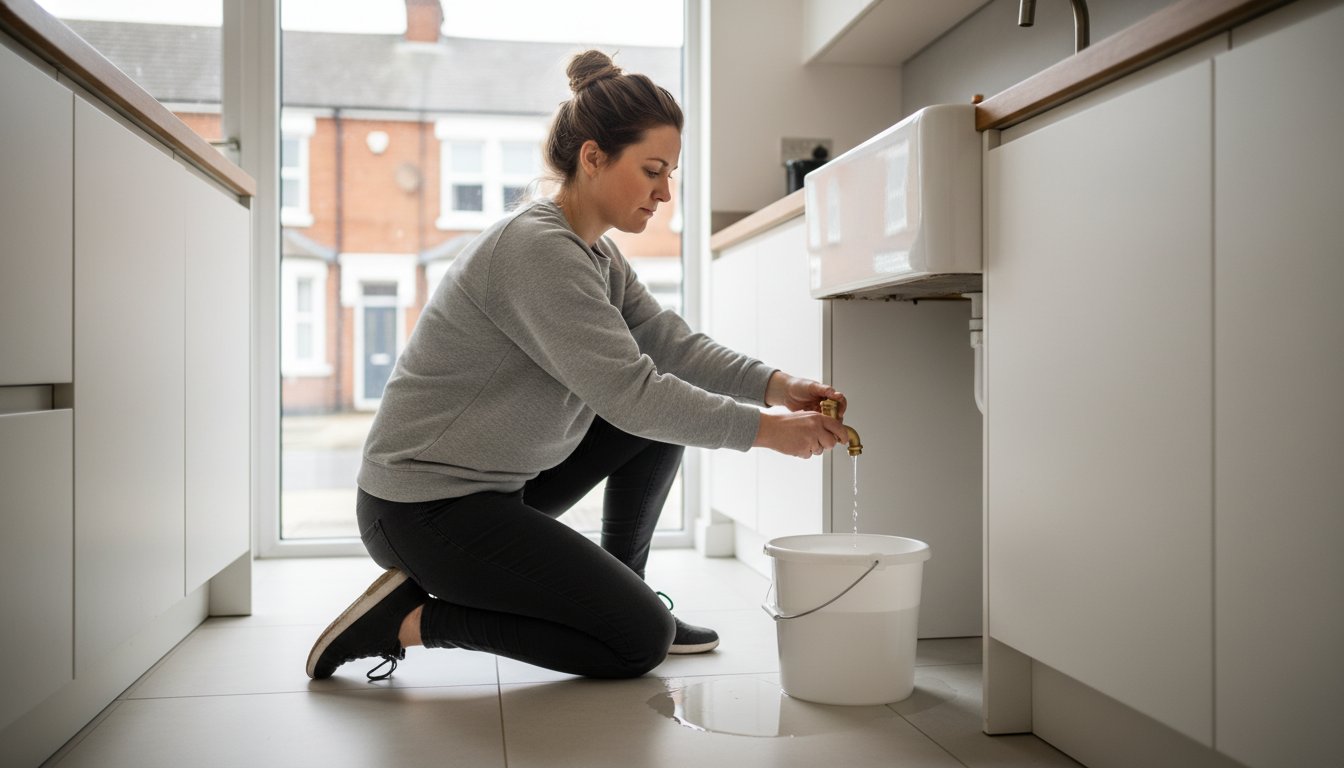
Don’t ignore a dripping tap. A single tap dripping once per second wastes roughly 20 litres of water every day. Over a year, this adds more than £30 to a metered water bill and puts unnecessary strain on your plumbing joints. Replacing a worn washer costs pennies but saves pounds in the long run. Check the seals around your toilet base and the internal flush mechanisms too. A silent leak from the cistern into the bowl can waste 400 litres of water a day, which is enough to fill two large bathtubs.
Norwich is a notorious hard water area, with mineral levels often exceeding 300mg of calcium carbonate per litre. This high mineral content causes rapid limescale buildup on showerheads and tap aerators. You can easily restore flow by soaking these fixtures in a solution of white vinegar and water for 4 hours. If left untreated, limescale restricts water flow by up to 30% and eventually causes permanent damage to kitchen appliances and boiler heat exchangers.
Increased usage puts immense pressure on toilet syphons and inlet valves. Look for “ghost flushing,” where the toilet refills when not in use, as this indicates a faulty syphon or flapper. One of the biggest summer plumbing disasters is the use of “flushable” wipes. Despite the marketing, these wipes don’t break down like toilet paper and are responsible for 90% of household sewer blockages. If you’re experiencing recurring clogs, our team provides Expert Toilet Repair and Unblocking in Norwich to restore your home’s hygiene and comfort.
Maintaining your fixtures now ensures your home stays functional throughout the busiest months of the year. If you’ve spotted a leak or a slow drain that won’t clear, book a professional plumbing service with our local Norwich team to get it fixed properly.
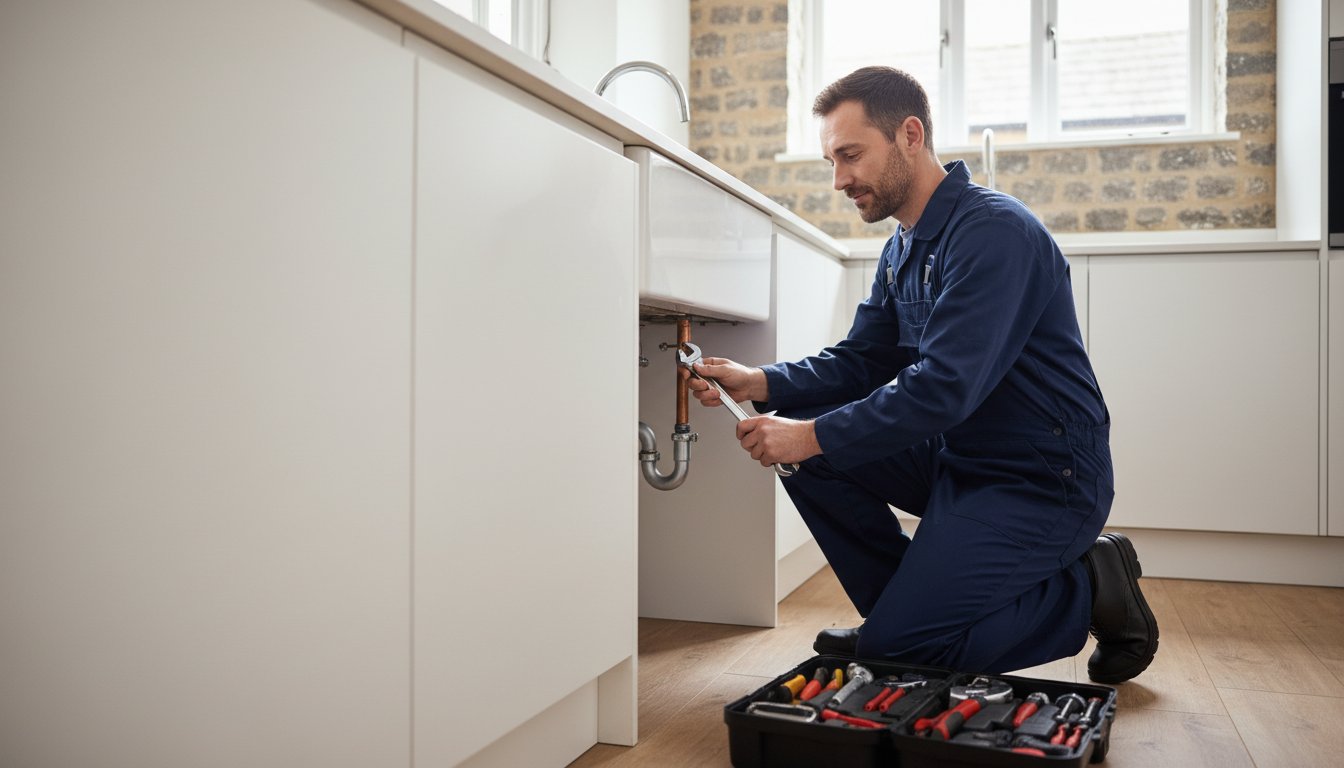
Completing your summer plumbing checklist often reveals tasks that require more than a basic toolkit. While homeowners can easily clear a shower head or check a toilet flap, deeper system issues demand expert intervention. Distinguishing between a simple fix and a professional job is vital for your home’s safety. Attempting to repair a complex leak without the correct pressure-testing equipment often leads to recurring damp issues that damage your property’s value. A minor £5 mistake during a DIY attempt can quickly escalate into a £1,200 floor restoration project if a joint fails while you are away on holiday.
Ignoring a minor drip during the warmer months is a common mistake. A single tap dripping once per second wastes over 11,000 litres of water annually, which significantly impacts metered water bills. In the summer, increased garden hose use and frequent showering put additional strain on your pipework. This extra pressure can turn a small weep into a full pipe failure. Our team understands the specific challenges of Norfolk properties. Whether you live in a flint-walled cottage in the Golden Triangle or a modern townhouse in Cringleford, we have the local expertise to handle unique plumbing configurations and older lead pipework safely.
To provide total peace of mind, Viktor’s Plumbing Services offers a comprehensive one-year labour warranty on every repair and installation. This guarantee reflects our commitment to high standards and ensures you won’t face unexpected costs if a component requires adjustment later. We prioritise transparent, honest service that keeps your home running efficiently. By choosing a local expert, you ensure that the work complies with current UK Water Regulations and building standards.
Immediate action is required if you notice rapidly spreading damp patches on ceilings or hear the sound of running water when all taps are closed. These symptoms indicate a hidden burst that can compromise your home’s electrical safety within minutes. A total loss of water pressure or a complete blockage in your main waste pipe also constitutes an emergency. You can book a 24/7 Emergency Plumber in Norwich & Norfolk to secure your home and prevent costly structural repairs.
Schedule your maintenance visits during July and August when heating engineers are less busy with emergency boiler call-outs. This timing allows for a more relaxed, thorough inspection of your entire system while you work through your summer plumbing checklist. It’s also the perfect time to service your wider heating and air conditioning systems; you can see examples of professional service plans at rmihvacr.com. Prepare a list of small jobs, such as fixing a stiff stopcock or replacing a worn washer, so we can complete everything in one efficient visit. We provide fixed-price quotes for summer plumbing upgrades, ensuring you know the exact cost before any work begins on your property.
Proactive maintenance prevents minor drips from turning into expensive floods during the busy 2026 holiday season. By following this summer plumbing checklist, you’ve learned how to inspect outdoor taps and prepare your kitchen for the increased demand of family gatherings. These simple steps ensure your home remains efficient and leak-free while guests visit. We bring 20 years of local Norfolk experience to every property we visit, ensuring your systems handle the heat. You’ll receive a full one-year labour warranty on all work, which provides absolute peace of mind for the months ahead. If a pipe bursts at 2:00 am or a drain blocks during a bank holiday, our 24/7 emergency support covers the entire Norwich area. Don’t let a preventable fault ruin your garden parties or summer breaks. Contact Viktor’s Plumbing Services for a reliable summer check-up today and keep your home running smoothly. We’re ready to help you enjoy a worry-free season.
You should replace the internal rubber washer to stop a persistent drip. Most UK garden taps require a standard 1/2 inch or 3/4 inch washer which costs less than £1 at local hardware stores. Turn off the isolation valve before unscrewing the tap head. Fixing a tap that drips once per second prevents the waste of 2,000 litres of water every year.
Yes, you must turn off your internal stopcock if you’re leaving your home for more than 24 hours. This simple action prevents a minor leak from causing a major flood while you’re away. Statistics show that 1 in 4 UK home insurance claims relate to water damage. You’ll usually find the stopcock under the kitchen sink; turn it clockwise to shut off the supply.
Dry P-traps are the most frequent cause of sewer smells when temperatures exceed 25°C. Water in the trap evaporates in the heat, which allows sewer gases to enter your rooms. Pour 500ml of water down any rarely used drains to restore the protective seal. If the odour remains, it often indicates a blocked vent pipe or a decaying anode rod in your water heater.
You can use a hose, but your spray distance will be poor if your pressure sits below 1.0 bar. Use your summer plumbing checklist to inspect your external tap for limescale blockages that restrict flow. Fitting a trigger nozzle helps maintain internal pressure for better cleaning. If your flow rate is below 10 litres per minute, your main supply pipe might be too small.
Burst pipes caused by ground movement and root-clogged drains are the most frequent summer issues in Norwich. Norfolk soil shrinks during dry spells, which led to a 15% increase in pipe fractures during the 2022 heatwave. Tree roots also grow toward moisture in sewer lines during July and August. We provide 24/7 emergency repairs across the city to fix these structural failures quickly.
Norfolk water contains over 300mg of calcium carbonate per litre, making it some of the hardest in the UK. This mineral content creates rapid limescale buildup when water temperatures rise in your pipes. Scale can reduce your showerhead efficiency by 25% in just three months. A professional descaling treatment in the summer keeps your system running freely and prevents your boiler from overworking.
Summer is the best time for a service because our engineers have 30% more availability than during the peak winter months. Completing your summer plumbing checklist now ensures your heating and pipes are reliable before the cold weather returns. You won’t have to wait days for an appointment, and you’ll have peace of mind that your home is efficient. It’s a sensible, proactive choice.
Install a water butt to harvest rain and use a cistern displacement device in your toilet. A garden sprinkler uses 1,000 litres of water every hour, which adds roughly £2.50 to your bill on a standard meter. Cutting your shower time by 2 minutes saves a family of four approximately £120 annually. These small adjustments keep your utility costs manageable while protecting the local environment.
[…] seize up from lack of use. For more detailed guidance on warmer weather maintenance, see our summer plumbing checklist. Following these holiday plumbing tips ensures your system remains healthy and ready for your […]