Professional Plumbing Services in Norwich
E-mail us: viktors.plumbing@gmail.com
24 Hour Emergency Plumbing Service

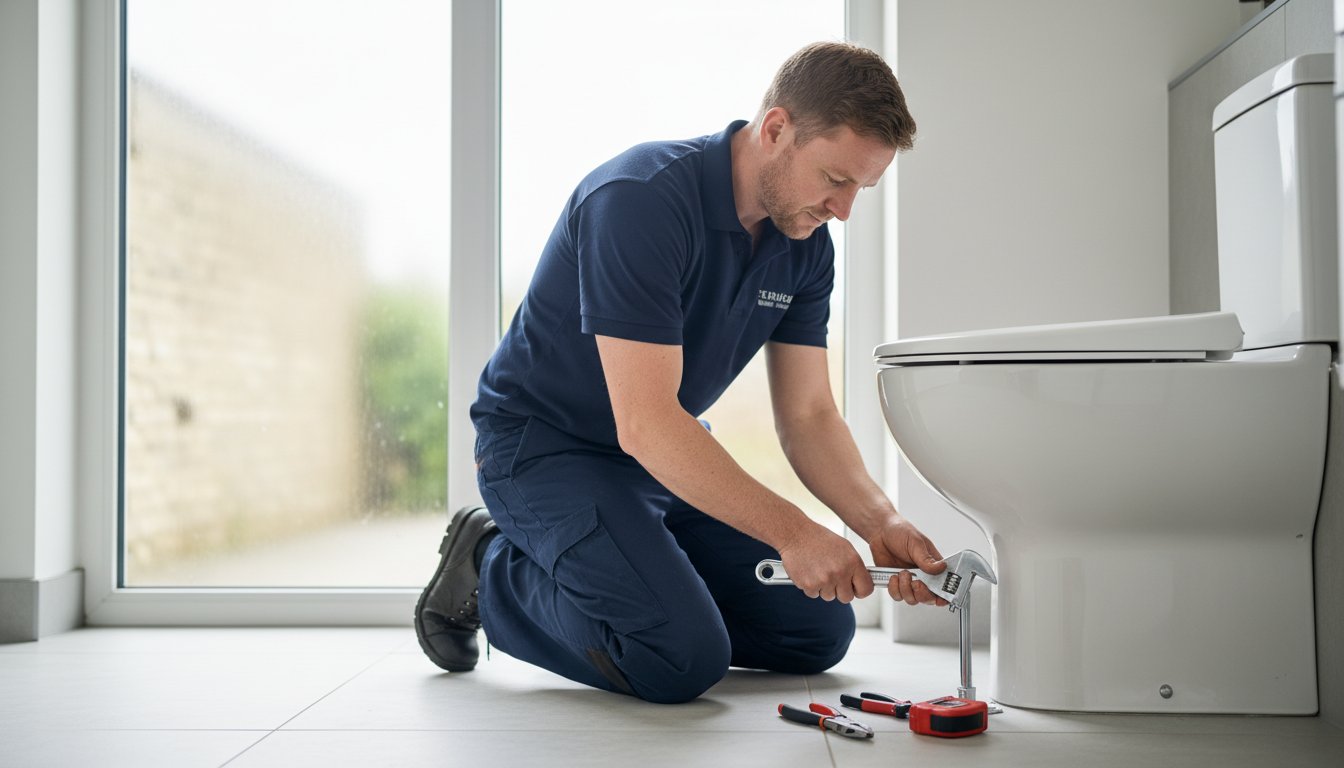
Last Tuesday, a homeowner in Thorpe St Andrew discovered a damp patch spreading across their lino that turned out to be a leaking toilet base. It is a common sight that immediately triggers concerns about rotting floorboards and repair bills that can easily exceed £1,500 if the timber decays. You are right to feel concerned when you spot water pooling where it shouldn’t be. It is frustrating to guess whether you are dealing with harmless condensation or a failed internal seal that is quietly damaging your home’s joists.
Most homeowners worry about the hidden costs of a plumbing emergency, but acting quickly usually prevents the most expensive structural issues. This guide explains how to identify the true source of the moisture and when it is time to call a professional Norwich plumber. We will cover everything from simple bolt tightening to full seal replacements, ensuring your bathroom stays dry and your floor remains solid. You will also learn how our transparent pricing and local warranties provide the peace of mind you need to resolve the issue permanently.
A leaking toilet base occurs when water pools exactly where the porcelain meets your bathroom floor. In Norwich, we often see this in older terrace houses where floorboards have shifted slightly over the last 40 years. Finding a puddle here is stressful, but you need to act fast. Leaving moisture to sit for more than 48 hours can lead to subfloor rot, potentially costing you over £650 in structural repairs. Before you call out a local professional, you must determine if the water is a genuine leak or just simple condensation.
Identify the source by performing a “Dry Test.” Use a towel to soak up all visible water around the base and wait. If the floor remains dry until the next flush, the issue likely lies with the wax ring or floor seal. If the water appears without any use, check the cistern and inlet pipe. Water often travels down the back of the porcelain, making it look like the leaking toilet base is the culprit when the fault is actually a loose 15mm compression nut on the inlet.
Bathrooms are humid environments. When cold water fills your toilet, the porcelain surface temperature can drop below 12°C. This causes moisture in the air to settle on the bowl and drip down. You can test this by wrapping a paper towel around the base. If the towel gets wet from the top down, it’s condensation. Improving your ventilation or installing an extractor fan with a minimum flow rate of 15 litres per second can reduce this moisture by up to 85%.
Some leaks only appear when someone sits on the pan. The average adult weight of 75kg to 95kg can cause a slight shift in a loose toilet, breaking the seal of the wax ring or internal gasket. You might also notice water only after a flush. This usually points to a failing floor flange or a hairline crack in the porcelain. Even a 1mm crack can release enough water to damage your floorboards over a single weekend. Check for these fissures using a torch held at a 45-degree angle against the pan.
Finding water pooling on your bathroom floor is frustrating. It’s rarely a mystery, as most issues stem from three or four specific components. Identifying the source early prevents damp from rotting your floorboards or damaging the ceiling below. Most leaks originate from the seal, the bolts, or the connection between the tank and bowl.
The wax ring is the primary barrier between your toilet and the drainage system. It provides a flexible, watertight bond that should last 10 to 15 years under normal conditions. However, age eventually makes the wax hard and brittle. When the seal loses its elasticity, it can’t accommodate the slight natural shifts in your home’s structure. A single heavy clog can also create enough hydraulic pressure to “blow out” an old seal. This causes water to escape from the leaking toilet base every time you press the flush handle.
A stable toilet is a dry toilet. If the closet bolts securing the porcelain to the floor become loose or corroded, the toilet will rock. Even a movement of 2 or 3 millimetres is enough to shear the wax ring and break the seal. Check the silver or white plastic caps at the base. If the nuts underneath are rusted or won’t tighten, the seal is likely compromised. Don’t use excessive force when tightening these; over-tightening often cracks the porcelain flange, turning a simple repair into an expensive replacement. If you notice any movement, booking a professional inspection to reset the appliance is the safest route to protect your floor.
Not every puddle originates from the floor. Faulty tank-to-bowl gaskets often allow water to trickle down the back of the toilet, pooling at the bottom. This is a common issue in Norwich, where water hardness levels often exceed 280 parts per million. These high mineral concentrations cause rubber gaskets to perish and lose their shape faster than in soft-water areas. Limescale builds up around the seal, creating tiny gaps where water escapes. A leaking toilet base might actually be a symptom of these failing upper seals, requiring a systematic check of all rubber components during the repair process.

A leaking toilet base is rarely just a surface issue. While a few drops on the floor might seem minor, water travels downwards through gravity. It saturates the subfloor and skirting boards within 48 hours. This constant moisture triggers the growth of black mould in dark, unventilated spaces under your tiles. A simple seal repair or pan connector replacement typically costs around £100. However, ignoring the problem often leads to a full floor replacement that can exceed £2,000 once labour and materials are calculated. We often see homeowners wait until the damage is visible, but by then, the costs have already spiralled.
Norwich contains thousands of Viktorian and Edwardian terraces. These homes rely on suspended timber floors that are highly susceptible to moisture damage. A slow leak saturates the grain of the wood, causing the timber to soften and rot. You won’t always see this on the ceiling below, especially if a modern waterproof membrane is present. If your bathroom floor feels “spongy” underfoot or your tiles have started to shift and crack, the structural joists are likely compromised. We find that roughly 15% of neglected leaks in older Norfolk properties eventually require structural timber reinforcement because the wood has lost its integrity.
Not all leaks involve clean water. When a leaking toilet base occurs during a flush, the liquid escaping is often “black water.” This wastewater carries harmful bacteria and pathogens directly into your floorboards. Placing towels around the base is an unhygienic fix that traps moisture and encourages bacterial colonies to thrive. You should also watch for the faint, sulphuric smell of sewer gas. This suggests the wax ring or pan connector has failed completely. These gases are not just unpleasant; they are a health hazard. Damp skirting boards and floorboards also provide the perfect environment for silverfish and other pests that thrive in high-humidity domestic settings. If you notice water pooling in other areas of your home, such as a slow draining sink in your kitchen or bathroom, it may indicate a wider drainage issue that warrants a full inspection.
Deciding whether to tackle a leaking toilet base yourself or call in an expert depends on the root cause. Minor adjustments require basic tools, but structural issues demand professional intervention. Removing a toilet pan involves disconnecting the mains water, draining the cistern, and lifting a heavy ceramic unit that can weigh up to 25kg. If you drop the pan or crack the flange, a simple seal replacement turns into an expensive fixture replacement costing upwards of £200.
You can often resolve small issues with a few turns of an adjustable spanner. If the toilet rocks slightly, try tightening the floor bolts. Do this carefully; over-tightening can crack the porcelain base. DIY is also suitable for replacing an external washer or a faulty inlet valve, which usually costs under £15 at a local trade counter. Only apply new silicone sealant after you’ve confirmed the leak has stopped. Caulking a wet base traps moisture and leads to mould growth within 48 hours.
Professional help is essential if the leak persists after tightening bolts or if you notice structural warning signs. If the floor feels soft underfoot or your bathroom tiles are lifting, water has likely seeped into the subfloor. Ignoring this can lead to dry rot, which costs an average of £1,000 to remediate in UK homes. We see these issues frequently across Norwich and Norfolk, where older floor joists are particularly vulnerable to damp.
Our team handles the heavy lifting and technical sealing required for a permanent fix. We ensure the wax ring or soil pipe connector is perfectly seated to prevent sewer gases from entering your home. Choosing a professional also provides a one-year labour warranty for the repair. This guarantee offers long-term protection that a DIY fix cannot match. We arrive with the correct internal seals and heavy-duty fixings to ensure the leaking toilet base is fixed on the first visit.
If you’re unsure about the source of the dampness or uncomfortable lifting heavy porcelain, book a professional toilet repair with our local team today.
Dealing with a leaking toilet base requires more than a quick bead of silicone around the porcelain. At Viktor’s Plumbing Services, we don’t just mask the symptom; we diagnose the structural failure. A leak at the floor level often signals a perished wax ring or a compromised soil pipe connection. If left unaddressed, this moisture seeps into your floorboards, leading to costly structural rot.
We prioritise a permanent fix by using components specifically selected for Norfolk’s environment. Our region’s water is notoriously hard, with calcium carbonate levels often exceeding 300 parts per million. This high mineral content can cause standard rubber seals to become brittle and fail. We install high-grade, reinforced seals and corrosion-resistant bolts that withstand these harsh local conditions, ensuring your repair lasts for years rather than months.
Our process is methodical and clean. We start by isolating the water supply and draining the cistern to prevent any mess in your bathroom. Once we safely remove the toilet pan, we perform a detailed inspection of the soil pipe and the surrounding subfloor. We check for dampness or softening of the timber, which is common in older Norwich terrace houses. We then clean the flange thoroughly before performing a precision installation of new, high-grade seals. We finish by securing the pan with fresh bolts to ensure no movement occurs, as a rocking toilet is the primary cause of seal failure.
Reliability is the foundation of our local service. We’ve provided expert plumbing solutions across Norfolk for 19 years, building a reputation for punctuality and honest work. We understand that a leaking toilet base can quickly turn into a household crisis. That’s why we offer 24/7 emergency support to manage major bathroom floods before they damage your ceilings below.
You can expect total transparency from our team. We provide clear, no-obligation quotes with no hidden fees, ensuring you know exactly what the job costs before we pick up a spanner. Our approach is friendly, professional, and rooted in the local community. We treat your home with the same respect we’d show our own, leaving the work area spotless once the repair is complete.
Don’t let a small leak turn into a major renovation project. Book your toilet repair in Norwich today and get the peace of mind that comes with a professional fix.
Ignoring a leaking toilet base leads to structural rot and expensive subfloor repairs that can cost hundreds of pounds to rectify. Most leaks stem from a failed wax seal or loose mounting bolts, issues that require precise handling to prevent recurring damp. Our team provides a one-year labour warranty on every toilet repair, ensuring your peace of mind long after we leave your property. We operate a 24/7 emergency response across Norwich and the wider Norfolk area, so professional help is always available when a leak becomes urgent.
We believe in honest service with no hidden fees. Our transparent hourly billing means you only pay for the actual time spent on the job. Whether it’s a simple seal replacement or a complex floor flange repair, we arrive on time and ready to work. Don’t let a small pool of water become a major structural problem. Get a reliable toilet repair quote from Viktor today and restore your home’s safety. We’re ready to get your bathroom back in perfect working order.
A leaking toilet base is a plumbing priority because it allows wastewater to seep directly into your subfloor. This water is unsanitary and can cause structural rot within 48 hours of the initial leak. We recommend turning off the water valve immediately and calling a local professional to prevent expensive repairs to your joists or the ceiling below.
Repairing a leaking toilet base in Norwich typically costs between £80 and £160 for a standard call-out and seal replacement. This price includes the new wax or rubber ring and approximately one hour of labour. We provide transparent pricing and free no-obligation quotes to ensure you know the exact cost before we start any work on your home.
You shouldn’t use a toilet that leaks from the bottom until it’s repaired. Every flush sends several litres of water directly onto your bathroom floor and into the floorboards. Continuing to use the appliance increases the risk of mould growth and may lead to a 30% increase in repair costs if the floor requires professional drying or replacement.
This usually happens because the floor bolts are loose or the wax seal has compressed and lost its airtight bond. When you sit down, your body weight shifts the toilet pan, opening a gap in the damaged seal. Over 70% of these cases require tightening the closet bolts or installing a new thick-density wax ring to restore the waterproof connection.
A professional plumber can typically replace a toilet seal in 45 to 90 minutes. The process involves draining the tank, disconnecting the water supply, and lifting the porcelain pan to access the flange. If we find that the floor flange is broken or the subfloor is damp, the repair might take up to 3 hours to complete properly.
Wax rings are the traditional choice and provide a permanent, custom-moulded fit for about £5. Rubber or foam seals are a modern alternative that costs roughly £15 to £20. Unlike wax, rubber seals don’t melt in high temperatures and allow you to reposition the toilet during installation without needing a brand-new part.
Untreated leaks can eventually lead to structural failure, though a total collapse is rare if caught early. Constant moisture weakens timber joists, reducing their load-bearing capacity by 50% over several months of exposure. We’ve seen cases in Norwich where long-term leaks resulted in the toilet sinking through the floorboards, requiring a full £2,000 bathroom renovation.
When the damage is this severe, the repair moves beyond plumbing. The first step involves removing the compromised flooring, and specialists like Vincent Oosterveen Vloerverwijdering Specialist show how this is done professionally. For the subsequent full bathroom renovation or subfloor replacement, you would need to consult with a local building firm like WillsByrne Construction & Landscaping LTD to restore your home’s integrity.
You rarely need a completely new toilet to stop a leak at the base. Most issues stem from a perished seal or a hairline crack in the wax ring, which are simple components to replace. However, if we inspect the porcelain and find a crack in the base itself, a full replacement is the only safe way to guarantee a dry floor. If you’re also dealing with a toilet that won’t stop running, you might want to learn about running toilet causes and how to fix them to address multiple issues at once. Similarly, if you’ve noticed a slow draining sink elsewhere in your home, it could point to a shared drainage problem worth investigating at the same time.
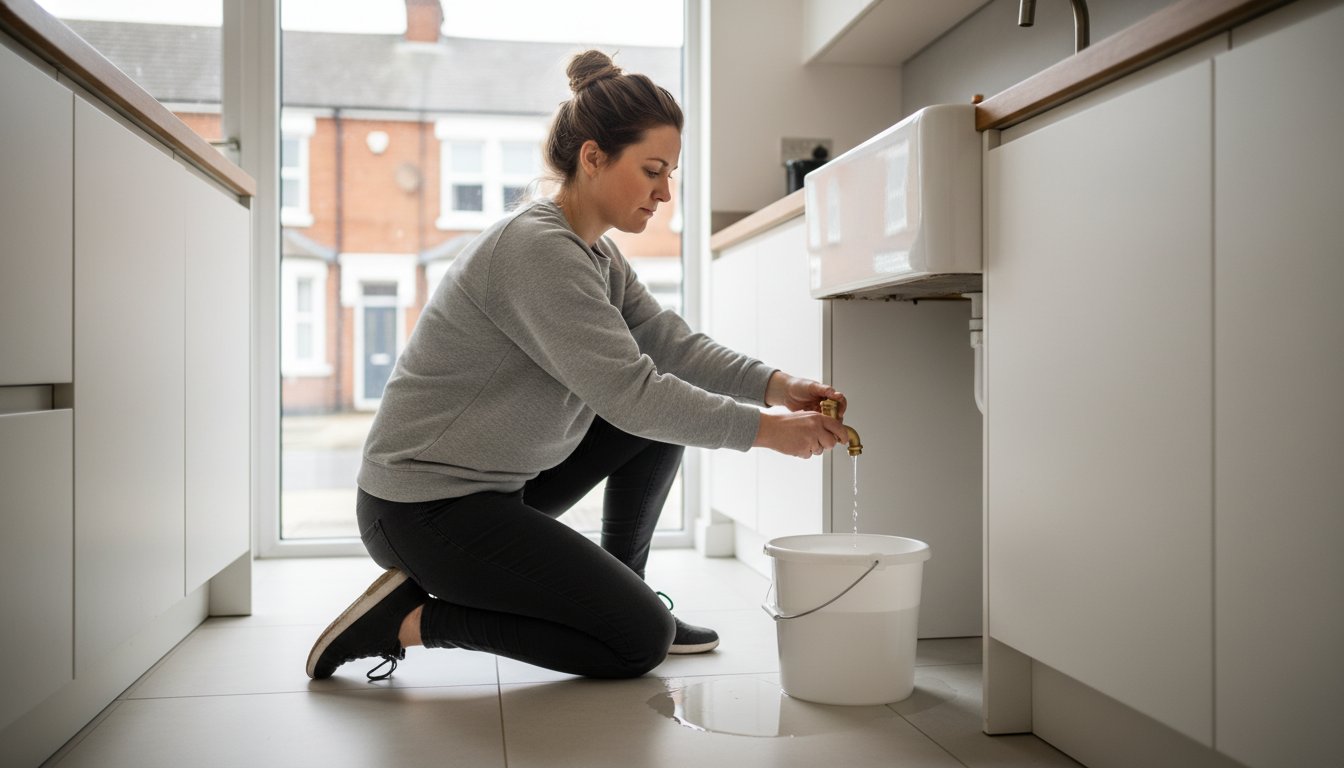
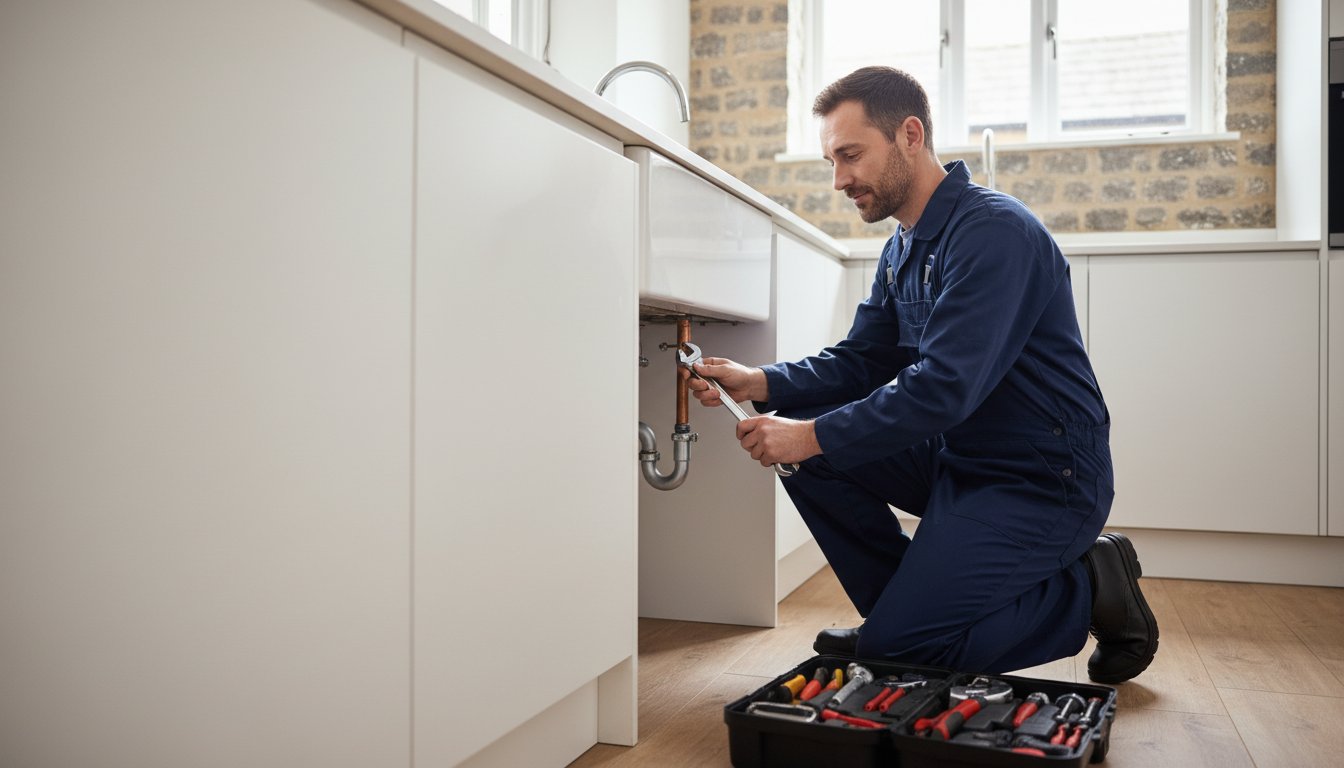

[…] During a service, we often find secondary issues that require attention. For instance, we can fix a leaking toilet base while the cistern is being repaired. This comprehensive approach prevents damp issues and protects […]