Professional Plumbing Services in Norwich
E-mail us: viktors.plumbing@gmail.com
24 Hour Emergency Plumbing Service

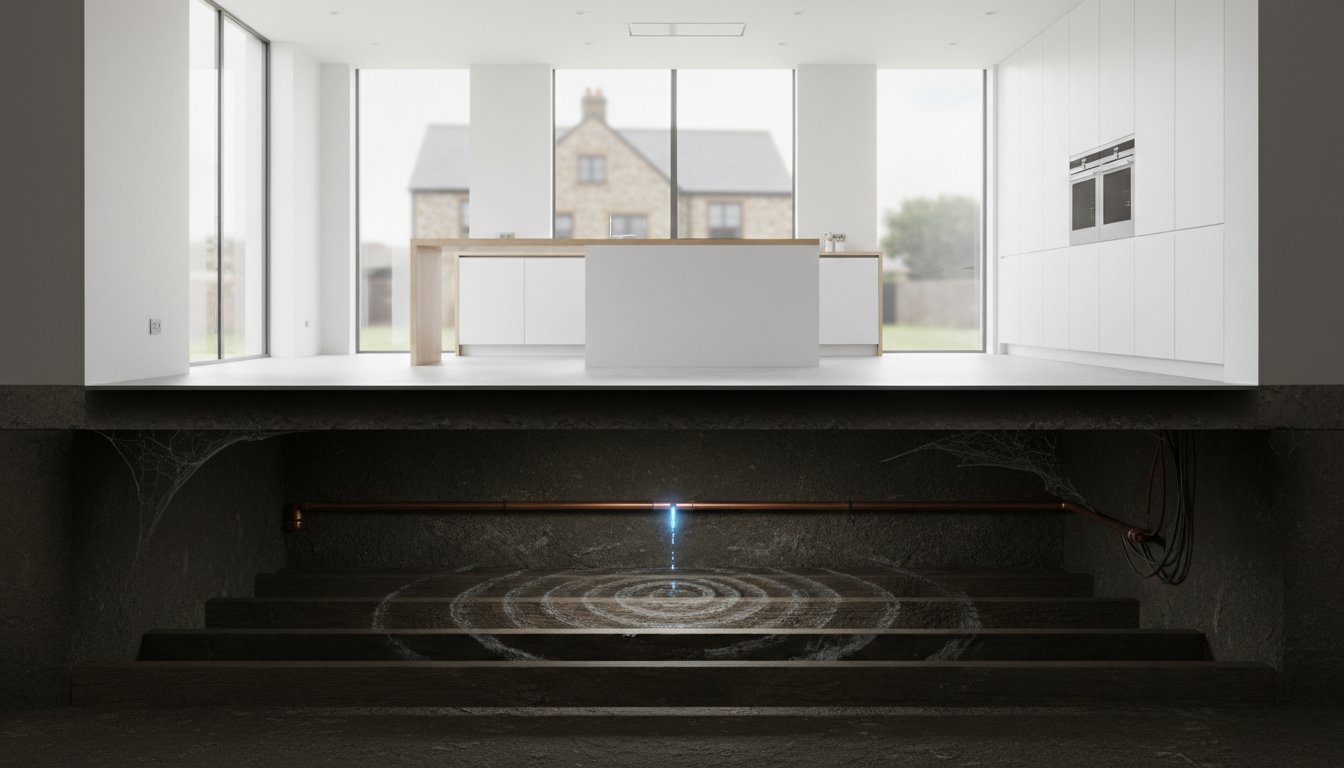
Last February, a homeowner in Cringleford opened a water bill that was £145 higher than usual, despite no changes in their family’s daily routine. They couldn’t see any puddles or dripping taps, but a silent pipe failure was already weakening the floorboards beneath their kitchen. It’s a common story in Norfolk, where older plumbing systems often give way without a single visible splash.
We understand how unsettling it feels when you suspect a problem but cannot find the source. You want to protect your property from damp and avoid the high costs of emergency structural repairs. It’s frustrating to pay for water that you aren’t even using while worrying about the integrity of your home. We provide this 2026 detection checklist to help you spot hidden water leak signs early. You’ll gain the confidence to identify issues before they become expensive disasters for your Norwich home. We will walk you through a simple DIY meter test and show you exactly which subtle changes in your décor signal a serious plumbing issue.
A hidden water leak is a slow, non-visible discharge from a pipe or fixture that persists out of sight behind walls, under floors, or beneath the foundations of your home. While a catastrophic burst pipe is an obvious emergency that demands immediate action, these insidious leaks are far more common and often more damaging over time. They cause what we call “silent damage,” which includes rotting floorboards, persistent black mould, and compromised structural foundations. Identifying hidden water leak signs early is the only way to prevent a minor plumbing issue from becoming a structural nightmare.
A hidden water leak is a slow, non-visible discharge that causes cumulative damage to your property’s internal structure and stability. Beyond the physical destruction, the financial impact is staggering. A single pinhole leak, barely the size of a needle tip, can waste upwards of 2,000 litres of water every week. For homes on a water meter, this leads to a sharp, unexplained rise in monthly bills that can cost hundreds of pounds over a year.
Homeowners in Norwich city centre and the surrounding Norfolk villages face unique challenges due to the local environment. Our region features a high volume of older housing stock, including Viktorian terraces and flint cottages with ageing copper or lead pipes. These materials are particularly vulnerable to the hard water found across the East of England. High mineral concentrations cause internal corrosion, which eventually eats through pipe walls from the inside out.
Seasonal weather shifts in Norfolk also play a major role in plumbing health. The local soil often shifts during dry summers or particularly wet winters, which places immense physical stress on the pipes buried beneath your home. These environmental factors, combined with the age of local infrastructure, make it vital for residents to stay alert for the first hidden water leak signs in their property. Taking a proactive approach ensures your home remains safe, dry, and structurally sound for years to come.
Your nose is just as reliable as your eyes. A persistent, earthy, or musty smell that doesn’t disappear with ventilation usually points to trapped moisture. This odour is caused by microbial volatile organic compounds (mVOCs) released by mould as it grows in dark, damp voids. If a room feels “heavy” or smells like a damp basement despite being on the first floor, there’s a high probability of a slow leak behind the skirting boards. For those who want a structured approach, the EPA’s guide to finding leaks offers a helpful framework for checking common household fixtures.
Pay attention to the local wildlife within your home. Silverfish and centipedes thrive in high-humidity environments. If you suddenly see these “water-loving” pests in areas that should be dry, they’re likely attracted to a damp cavity created by a leaking pipe. Check your flooring for physical changes as well. Laminate may warp or “peak” at the joins, while floor tiles might lift or feel loose. In homes with concrete floors, an unusually warm spot often indicates a leak in a hot water pipe or an underfloor heating circuit.
Mould in the corner of a room isn’t always a result of poor ventilation. If a patch appears in one specific area and grows regardless of how much you open the windows, it’s likely an active leak. We recommend checking the back of kitchen cabinets and bathroom vanity units regularly. Use a torch to look for dark spots or warped timber. You can perform a “touch test” by carefully pressing the area. If the surface feels soft, cool, or damp to the touch, the moisture is active. Stains that feel bone-dry and hard might be old, but they still warrant a professional inspection to ensure the original issue was resolved.

Your water meter acts as a silent sentry for your home’s plumbing system. It provides the most reliable data for identifying issues before they cause structural damage. Most Norwich residents find their meter located outside the property boundary, typically under a small square cover in the pavement or front garden. Use a flat-head screwdriver to lift the lid and clear away any debris to see the dial clearly. If the cover is stuck, a gentle tap usually loosens the grit holding it in place.
A water meter is the most accurate DIY tool for confirming a leak exists within your property boundary. To begin a static flow test, turn off every tap and water-consuming appliance in the house. This includes dishwashers, washing machines, and even American-style refrigerators with ice makers. Wait for 30 minutes to ensure the system is completely pressurized and stationary.
Record the meter reading exactly, paying close attention to the red decimal figures which track individual litres. If you see the small triangular flow indicator spinning or the numbers advance during this period, water is escaping somewhere. In older Aylsham terraces, meters are often located inside the property near the main stopcock under the kitchen sink or in a cellar. Finding signs of a hidden water leak through this method confirms the problem is on your side of the external stopcock, making it your responsibility to arrange a repair.
Sound is often the first indicator of a pipe failure behind a wall or under floorboards. Listen for a persistent hissing or whistling sound when the house is quiet. This often points to a pinhole leak in a copper pipe. You can diagnose this by using a long-handled screwdriver as a basic stethoscope. Press the metal tip firmly against a visible section of copper pipe and hold your ear against the handle. This simple trick amplifies the vibrations of moving water that might otherwise be silent.
We recommend performing this meter check every six months to catch hidden water leak signs before they impact your utility bills. If your meter continues to spin after you’ve shut off the internal stopcock, the leak is likely located in the service pipe between the street and your house. This requires immediate professional attention to prevent ground saturation and potential subsidence near your foundations. If you live in the north Norfolk area, our guide to handling a Stalham burst water pipe covers the exact emergency steps to take when a hidden leak escalates into a full pipe failure.
Wall cavities hide vertical risers that supply your upstairs radiators and taps. Pinholes in these copper pipes often cause creeping damp. This moisture travels horizontally along the plasterboard before it becomes visible, making the source difficult to pinpoint. Up in the loft, your header tank is another common culprit. A dripping overflow pipe visible from the outside of your house is a major warning sign. It suggests the ball valve has failed. While the water currently drains outside, any blockage in that overflow could quickly lead to a collapsed ceiling.
Many leaks hide in the dark voids beneath baths or behind shower trays. These areas rarely see the light of day, allowing small drips to cause significant damage before you notice a damp smell or a stain on the ceiling below. Check the waste pipe connections behind your washing machine and dishwasher every six months. If you notice water pooling around the base of your loo, our toilet repair Norwich service can identify if the issue is a simple seal or a more complex cistern leak.
If you suspect a leak but can’t find the source, contact our expert Norwich team for a professional inspection today.
Before the plumber arrives, follow the “Stopcock Rule” to protect your property. Locate your internal stopcock, usually found under the kitchen sink or in a hallway cupboard, and turn it clockwise until it stops. This isolates your home’s water supply and halts the flow to the leak. It’s a simple step that can save you thousands of pounds in flooring and plasterwork repairs. Don’t rely on DIY “patch” repairs like waterproof tape or plumber’s putty. These temporary fixes often fail under pressure, leading to much larger pipe bursts and more expensive insurance claims later on. For properties across north Norfolk, our dedicated Stalham burst water pipe emergency repair guide outlines exactly what to do in the critical first minutes of a major pipe failure.
Modern plumbing has moved beyond the “guess and dig” method. When you hire a professional plumber in Norwich, they use advanced technology to pinpoint the exact source of the trouble. Viktor uses thermal imaging cameras to see temperature changes behind walls and acoustic microphones to listen for the specific frequency of escaping water. This non-invasive approach means we don’t have to tear down your drywall just to find a pinhole leak. Choosing a local expert with specific Norfolk experience ensures you get a repair built to last. For added security, Viktor provides a one-year labour warranty on all repairs, giving you long-term peace of mind.
To get the fastest service, be ready to describe your hidden water leak signs clearly when you call. Tell Viktor if the water meter is spinning while taps are off, or if you’ve noticed specific damp patches. We maintain a transparent pricing model for all emergency call-outs across Norfolk, so you won’t face hidden fees or unexpected surcharges. We prioritise clear communication and honest advice, ensuring you understand the repair process from start to finish. If you’ve found a leak or suspect one is hiding beneath your floorboards, don’t wait for the damage to spread.
Contact Viktor’s Plumbing Services for a free no-obligation quote today and protect your home from water damage.
Spotting hidden water leak signs early prevents structural decay and keeps your monthly utility bills manageable. You now have the tools to monitor your water meter and identify subtle visual warnings before they escalate into costly repairs. Whether it’s a musty odour or a damp patch on the ceiling, acting quickly is the best way to safeguard your property. Norfolk homes require regular attention to maintain their integrity against the elements.
Book a Professional Leak Detection in Norwich Today
We’re ready to help you secure your home and give you back your peace of mind.
You can find a leak under floorboards using non-invasive technology like thermal imaging cameras or acoustic listening devices. These tools detect temperature changes or the sound of escaping water through the wood without causing damage. Professional plumbers in Norwich use these methods to pinpoint the exact location. This approach saves you from the unnecessary cost of replacing entire sections of flooring.
Most standard UK home insurance policies include Trace and Access cover to pay for the cost of finding the leak. This typically covers the expense of removing and replacing walls or floors to reach the pipe. You should check your specific policy document for a Trace and Access limit, which is often capped at £5,000. The actual repair of the leaking pipe itself is sometimes excluded from basic policies.
Yes, a leak in your central heating pipework will cause your boiler pressure to drop. If your gauge regularly falls below 1.0 bar, it indicates a loss of water from the sealed system. Even a pinhole leak in a copper pipe can lead to a total boiler shutdown. Our plumbers often find these hidden water leak signs behind skirting boards or under floorboards during routine inspections.
A musty smell is a common indicator of damp, but it doesn’t always mean you have a leak. It can also result from poor ventilation or rising damp. However, a sudden, localized scent of mildew often points to moisture trapped behind a wall. Data from UK property surveys suggests that localized damp patches are the most reliable hidden water leak signs in residential properties.
Professional leak detection services in the Norwich area typically range from £300 to £600 depending on the technology required. This fee covers the use of nitrogen tracing gas, thermal cameras, and acoustic equipment. While this is an upfront cost, it’s far cheaper than the £2,000 average cost of repairing major structural water damage. We provide transparent pricing and clear reports for your insurance company.
You should turn off your internal stopcock immediately if you suspect a leak. This stops the flow of water to your fixtures and prevents further damage to your home. Once the water is off, check your water meter to see if the dial is still spinning. If the meter moves while the stopcock is shut, the leak is likely on your external supply pipe.
A small drip can lead to structural failure if left for more than 6 months. Constant moisture causes timber joists to develop dry rot, which destroys the wood’s integrity. A single leaking joint can release over 1,000 litres of water in a week. This weight and moisture level can eventually cause ceilings to collapse or floorboards to buckle under normal weight.
You’re responsible for all pipework within your property boundary, including the underground supply pipe from the street. The water company, such as Anglian Water in the Norfolk area, is responsible for the large water mains and the pipe leading up to the external stopcock. If the leak is on the pavement side of your boundary, it’s the water company’s job to fix it.

[…] of common wear-and-tear issues before they escalate into costly house-wide emergencies. Knowing the hidden water leak signs to watch for between inspections can also help you catch problems early and avoid a full-scale […]
[…] begin long before a visible flood occurs, so it’s worth familiarising yourself with the hidden water leak signs that indicate a silent pipe failure is already underway in your […]
[…] risk property damage. Not all leaks are immediately visible, however — learning to recognise the hidden water leak signs in your home can help you catch silent pipe failures before they cause serious structural damage. For non-urgent […]