Professional Plumbing Services in Norwich
E-mail us: viktors.plumbing@gmail.com
24 Hour Emergency Plumbing Service

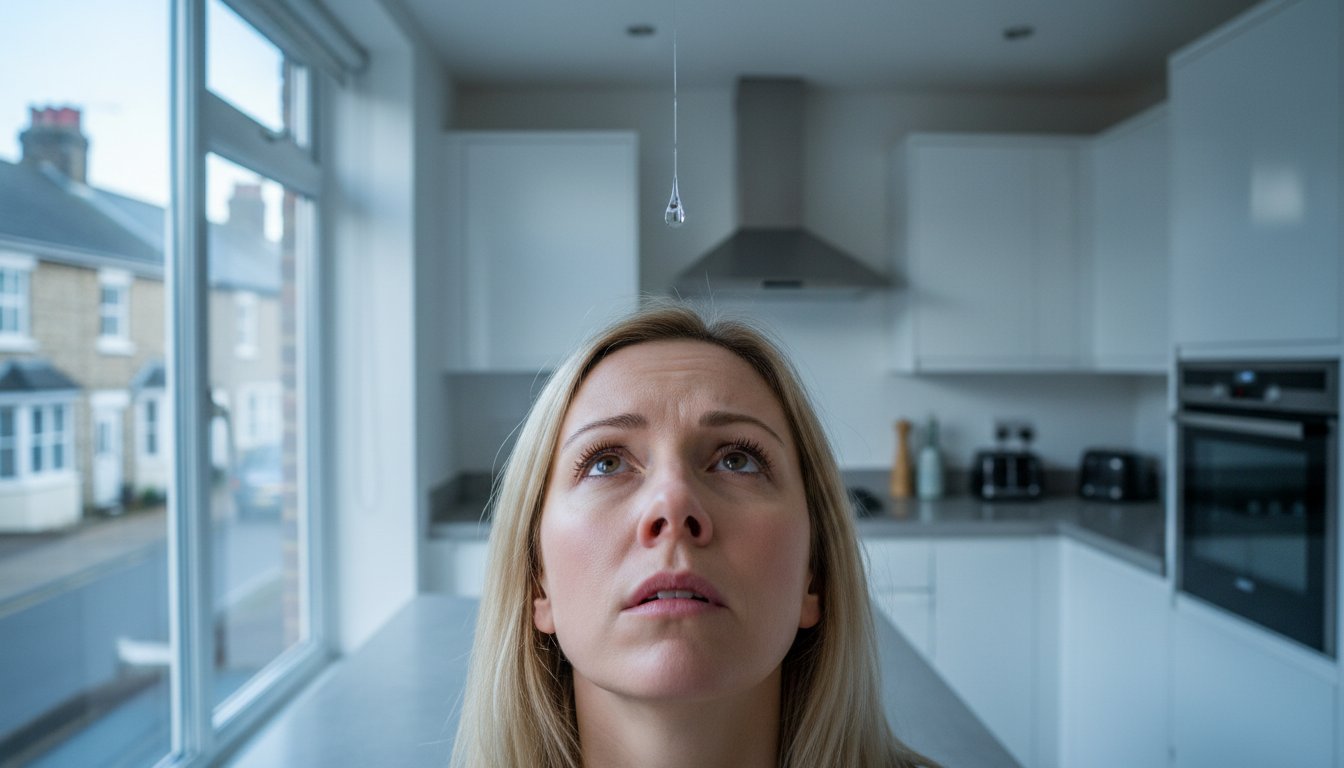
Imagine it’s 6 AM on a cold January morning in Norwich, and the first sound you hear is the steady drip of water from your kitchen ceiling. It’s a moment of pure panic. You’re instantly worried about the damage, the disruption, and the potential cost of calling in a professional you don’t know or trust.
This anxiety is something every homeowner fears. We know you need clear, honest advice, not confusing technical jargon or the risk of hiring a ‘cowboy’ trader. That’s why we’ve created this practical guide to help you tackle the most common plumbing problems we see in homes right here in Norfolk.
You will learn how to identify each issue, from a leaking tap to a boiler losing pressure. We’ll provide immediate first-aid steps to prevent further damage and give you the confidence to decide on the right repair, ensuring you always get transparent, guaranteed service from a local, certified expert.
Homes across Norwich and Norfolk have a unique character, from historic flint cottages to modern developments. This variety also means there is no one-size-fits-all plumbing solution. Understanding the network of pipes, fittings, and fixtures that make up your home’s system is the first step. For a comprehensive overview of plumbing systems, their history, and design, it’s clear that local variations play a huge role. Here in East Anglia, we face specific challenges that lead to a predictable set of call-outs: persistent leaks, stubborn clogs, and sudden drops in water pressure.
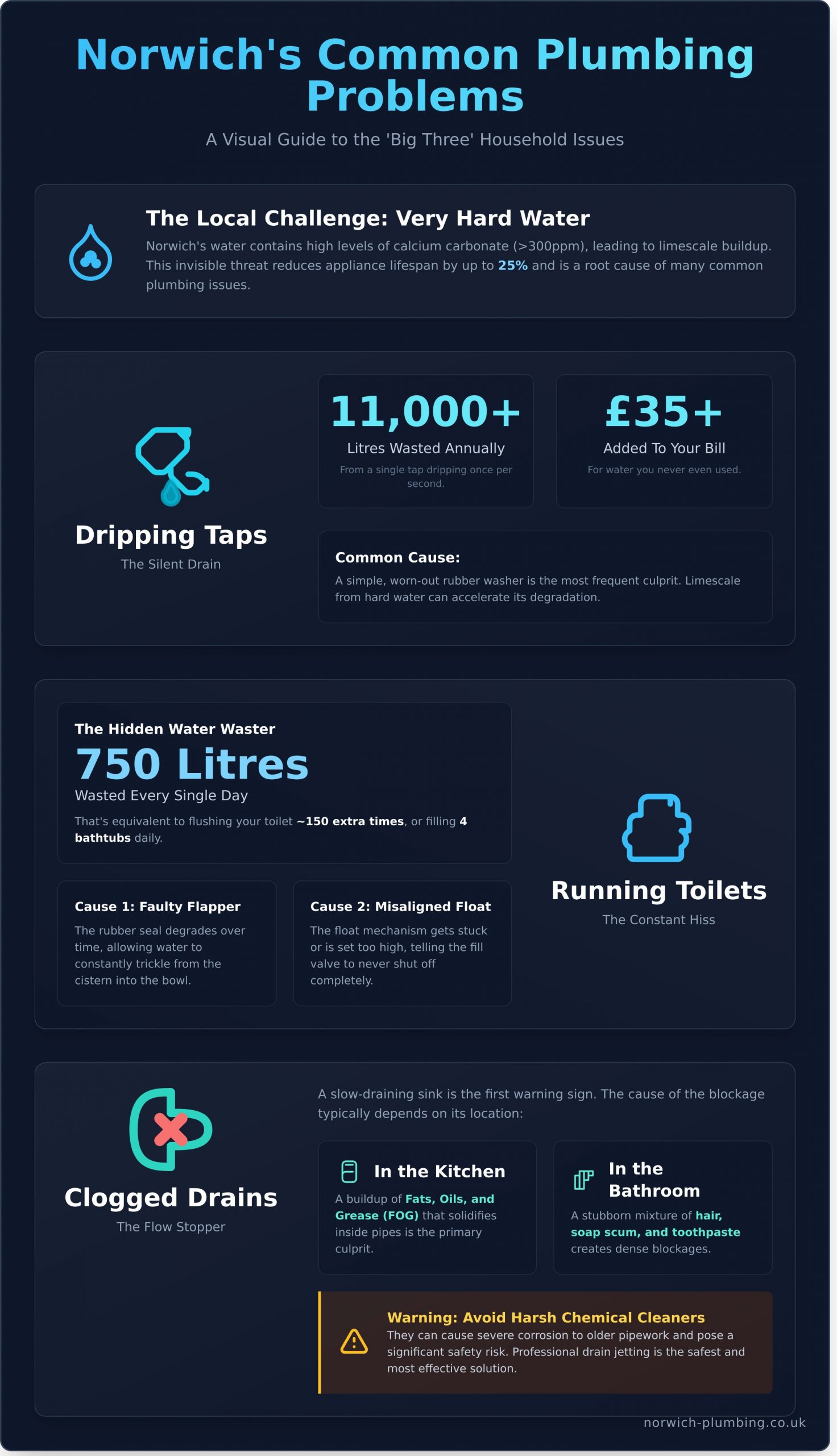
One of the most significant factors affecting our local plumbing is the region’s water. Norwich’s water is officially classified by Anglian Water as ‘Very Hard’, with calcium carbonate levels often exceeding 300 parts per million. This has a direct impact on the health and efficiency of your entire system. Ignoring what seems like a minor issue, such as a dripping tap, can be particularly damaging in older Norfolk properties. The constant damp can compromise traditional timber frames and lath and plaster walls, turning a small repair into a significant structural problem over time. Addressing these common plumbing problems promptly is essential for protecting your property.
Hard water leaves its mark as a chalky, white deposit known as limescale. You can see it building up on your taps, showerheads, and kettle. What you can’t see is the damage it’s causing inside your pipes and appliances. Industry estimates suggest that persistent limescale can reduce the lifespan of domestic plumbing appliances by up to 25%. Key signs that hard water is already affecting your pipework include:
An experienced local plumber understands these regional challenges. The plumbing layout in a Victorian terrace in the NR2 postcode, with its potential for shared drains and old pipe materials, is completely different from a new build in Wymondham using modern plastic pipes. Furthermore, Norfolk’s cold winters mean external pipework is highly vulnerable to freezing and bursting if not correctly installed and lagged. A professional who understands local Anglian Water board standards ensures every repair is compliant, safe, and built to last.
Most calls we receive in Norwich relate to a handful of recurring issues. These are the drips, clogs, and phantom flushes that disrupt daily life. While they may seem like minor annoyances, these common plumbing problems can lead to significant water waste, high utility bills, and even property damage if left unaddressed. Understanding them is the first step to a quick resolution.
A slow-draining sink is a clear sign of a blockage forming. The culprit often depends on the location. In the kitchen, the issue is typically a build-up of fats, oils, and grease (FOG) that solidifies inside your pipes. In the bathroom, the blockage is usually a stubborn mixture of hair, soap scum, and toothpaste. A simple plunger can sometimes dislodge minor obstructions. However, for deep-set or recurring clogs, professional high-pressure drain jetting is the only effective and safe solution. We strongly advise against using harsh chemical cleaners, as they can corrode older pipework and pose a safety risk. Simple habits, like using a sink strainer and never pouring grease down the drain, can keep your pipes flowing freely in NR3 and beyond.
A dripping tap is one of the most underestimated plumbing faults. That steady drip, drip, drip is more than just a nuisance; it’s money draining away. A single tap dripping just once per second wastes over 11,000 litres of water per year. That can add over £35 to your annual Anglian Water bill for water you never even used. The collective impact of small drips from taps and hidden leaky pipes is a major source of water wastage across the UK. Fixing a worn washer is a fast and simple job for a professional that pays for itself.
Do you hear your toilet refilling long after you’ve flushed it? That constant hissing is a running toilet, and it is a serious water waster, capable of losing up to 750 litres every single day. The cause is almost always a faulty component inside the cistern. You can identify the likely issue with a few simple checks:
Before calling for help, you can try the food colouring test. Add a few drops of food colouring to the water in the cistern and wait 15 minutes without flushing. If colour appears in the toilet bowl, you have a flapper leak. If these simple checks don’t pinpoint the problem, it’s best to call an expert. At Viktor’s Plumbing Services, we can diagnose and repair toilet issues quickly, protecting your home and saving you money on your next water bill.
Some of the most destructive plumbing issues are the ones you can’t see. Unlike a dripping tap, a slow leak behind a wall or a gradual drop in water pressure can cause significant structural damage before you even notice a problem. These hidden issues are among the most serious common plumbing problems we encounter in Norfolk properties, requiring a professional eye to diagnose and repair correctly.
You don’t need to see water to know you have a leak. Keep an eye out for tell-tale signs, especially in older homes across Norwich and Norfolk. Look for unexplained damp patches on walls or ceilings, wallpaper that has started to peel, or a persistent musty smell that you can’t trace. Bubbling or blistering paint on a ceiling is an immediate red flag that indicates a water source directly above, likely from a bathroom or radiator pipe.
A simple way to confirm a hidden leak is the water meter test:
Even small drips add up. Research on common household leaks shows that a leak dripping just once per second can waste over 11,000 litres of water per year. Addressing these slow-seeping joints protects your home and prevents unnecessarily high water bills. This risk is especially important to consider before leaving your property unattended; following professional holiday plumbing tips for Norwich homeowners can help you avoid returning to a costly water damage disaster.
Low water pressure can make everything from showering to washing up a frustrating chore. The first step is to determine the scope of the problem. Is the weak flow isolated to a single tap, like the kitchen sink? This often points to a clogged aerator or a fault in the fixture itself. However, if you experience a pressure drop throughout the entire house, the issue is likely more complex.
In many of Norwich’s older neighbourhoods, properties share a water main. This means pressure can be affected by your neighbours’ usage or by works further up the line. A sudden and significant drop in pressure across your whole property could signal a crack or blockage in your main supply pipe. This is a serious issue that requires immediate attention to prevent a complete pipe failure.
Knowing who to call is essential. If your neighbours are experiencing the same issue, the problem likely lies with the public supply network. In this case, your first call should be to Anglian Water. If the low pressure is unique to your property, the responsibility falls within your boundary. That’s when you need a reliable, local plumber to trace the fault and provide a lasting solution. We have the diagnostic tools to find the cause and restore your home’s water pressure efficiently.
A plumbing problem rarely happens at a convenient time. Understanding whether you have a genuine emergency or a routine issue can save you stress, money, and significant property damage. A plumbing emergency in 2026 is defined by two key factors: an immediate threat to your property (water damage) or a risk to your family’s health and safety (sewage or lack of essential water). Not all common plumbing problems require a 3 AM call-out, but knowing how to react is crucial.
The key is to remain calm and assess the situation logically. A burst pipe flooding your kitchen requires an immediate 24/7 response. A dripping tap, while annoying, can wait for a standard weekday appointment. Making the right call prevents panic and ensures you get the right help when you need it.
The principles of handling an emergency—staying calm and calling a trusted expert—apply to more than just plumbing. A sudden health scare with a beloved pet can cause the same panic as a flooded kitchen. In these situations, having a reliable professional on call is vital. For pet owners in London, for instance, having access to established professionals like London Veterinary Surgeries for both urgent and routine care provides that same essential peace of mind.
We use a simple three-category system to help Norwich homeowners identify the seriousness of their plumbing issue. This helps you decide the next step.
Addressing Category 3 issues promptly offers clear financial benefits. A single dripping tap, for instance, can waste over 5,500 litres of water per year. According to Water UK figures, this could add more than £140 to your annual metered water bill. Fixing small leaks is one of the easiest ways to manage costs associated with common plumbing problems.
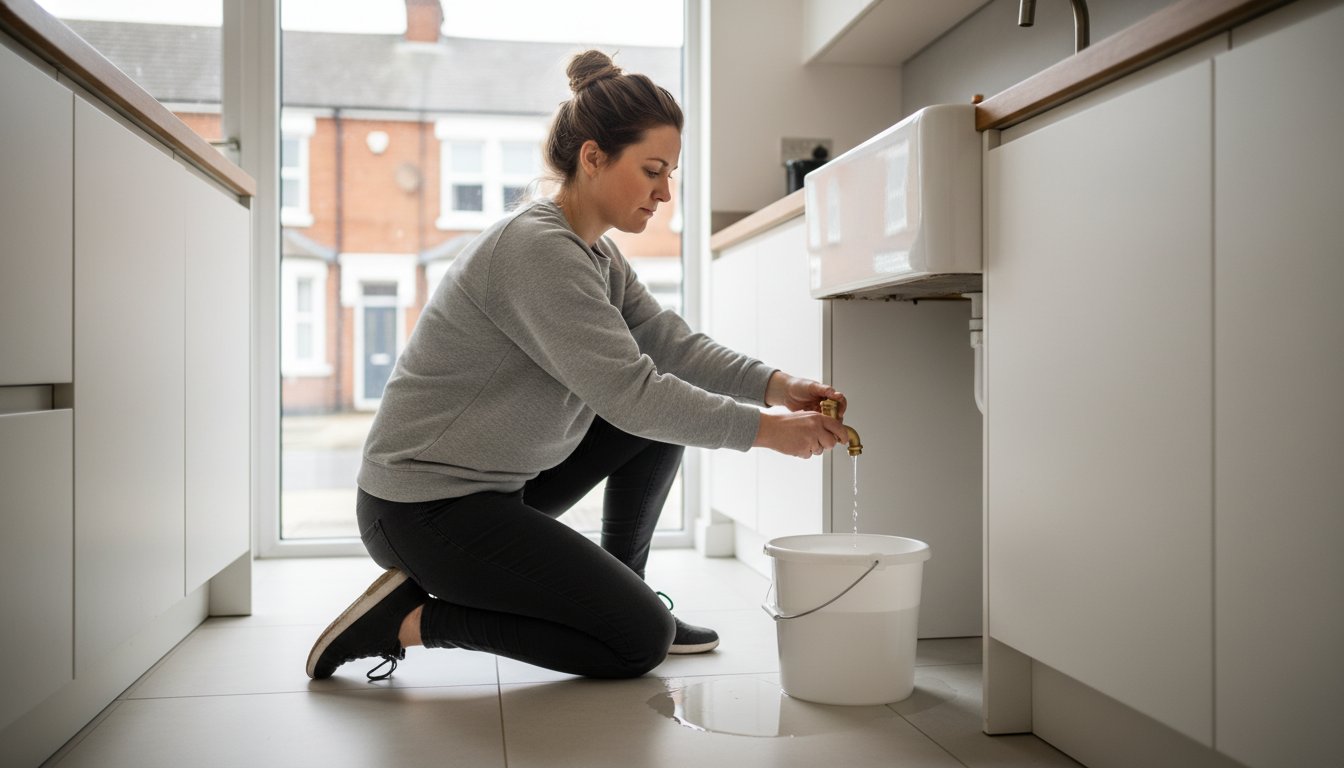
If you are facing a Category 1 emergency, taking immediate action can limit the damage. Your first step is to shut off the water supply. Locate your internal stopcock; it’s usually under the kitchen sink or in a utility cupboard and looks like a small tap or lever. Turn it clockwise to shut it off. If you can’t find it, your external stopcock is often under a small metal or plastic cover on the pavement outside your property. Having the right basic tools from a supplier like Klevaro can be invaluable in these moments. Once the water is off:
Taking these controlled steps protects your home and provides valuable information for both your plumber and your insurer. For both immediate emergency assistance and routine repairs in Norwich, contact our team for a transparent, no-obligation quote.
While understanding the causes of a blocked drain or a leaking pipe is the first step, finding a permanent, professional solution is what truly protects your home. For homeowners across Norwich, a fast and reliable repair isn’t a luxury; it’s a necessity. At Viktor’s Plumbing Services, we bring over 20 years of hands-on experience to every call-out. This two-decade history means we have diagnosed and repaired thousands of common plumbing problems in properties just like yours, from terraced houses in the Golden Triangle to family homes in Thorpe St Andrew.
Our approach is built on efficiency and expertise. We don’t just treat the symptoms; we find the root cause to prevent a recurrence. Serving the local community from the market town of Aylsham to the riverside village of Loddon, we are your dedicated Norwich plumbing experts. We believe in providing a service built on trust, which begins with transparent pricing and ends with a job guaranteed to last.
Plumbing emergencies don’t keep office hours. That’s why we provide a dedicated 24/7 emergency call-out service for all NR postcodes. When you call us at 2 a.m. with a burst pipe, you speak directly with an expert, not a national call centre. This immediate access to professional advice provides critical reassurance when you need it most. Our ‘no job too small’ philosophy means we give the same meticulous attention to fixing a dripping tap as we do a full boiler replacement. We know that addressing small issues promptly, like a running toilet or low water pressure, is the best way to prevent them from escalating into costly disasters.
Every repair we undertake strictly adheres to current UK building and water regulations, including the Water Supply (Water Fittings) Regulations 1999. This isn’t just about ticking boxes. It’s about ensuring your home’s plumbing is safe, compliant, and efficient, protecting both your family and your property’s value. Our commitment to these standards guarantees that all work is performed to the highest level of professional conduct, giving you lasting peace of mind.
We’ve designed our process to be straightforward and stress-free. Choosing a local expert over a large national franchise means choosing accountability and a personalised service. We live and work in the same community, and our reputation is built on the quality of our work and the trust of our neighbours. We understand the specific challenges of Norwich properties, from hard water issues to the quirks of older plumbing systems.
Here’s what you can expect when you call us:
Stop letting persistent plumbing issues disrupt your life. For a reliable, local solution to all your plumbing and heating needs, you can trust our team to get the job done right the first time. Contact Viktor’s Plumbing Services for a free quote today.
Understanding the signs of plumbing trouble, from a simple dripping tap to a sudden drop in water pressure, is the first step to protecting your home. Knowing when to tackle a small job yourself and when to call a professional can save you significant time, stress, and money in the long run. Don’t let these issues escalate.
Many common plumbing problems require an expert eye to ensure a safe and lasting repair. For a trusted local solution, Viktor brings over 20 years of hands-on experience to every job across Norwich and Norfolk. We provide 24/7 emergency support when you need it most, and we stand by our work with a full one-year labour warranty on all repairs for your complete peace of mind.
When you need a job done right, we’re ready to help. Need a reliable plumber in Norwich? Get your free, no-obligation quote from Viktor today.
The cost for a plumber in Norwich typically starts with a call-out fee, which ranges from £60 to £90 for the first hour of work. Subsequent hours are often charged at a lower rate, around £40 to £60. For fixed-price jobs like a leaking tap repair, you can expect to pay between £75 and £120. We always provide a transparent, no-obligation quote before any work begins, so you know the exact cost upfront.
If a pipe bursts, your first action is to shut off the main water supply immediately at the stopcock. Next, turn on your cold taps to drain the system and reduce the pressure. You should also switch off your central heating and any other water heating systems. Once the immediate flow of water is stopped, call a certified emergency plumber. We offer a 24/7 emergency service across Norwich to handle urgent situations like this promptly.
No, a dripping tap isn’t usually a plumbing emergency, but it should be fixed promptly. A single dripping tap can waste over 15 litres of water every day, adding unnecessary cost to your water bill and wasting a valuable resource. While it doesn’t require an immediate emergency call-out, scheduling a repair within a few days is a sensible and cost-effective decision. We can fix that persistent drip for you efficiently.
Sudden low water pressure is often caused by a partially closed stopcock or a hidden leak somewhere in your plumbing system. First, check that both your internal stopcock and the one at your external water meter are fully open. If they are, the issue could be a hidden leak or a wider problem with the mains supply in your area. Our engineers can perform a leak detection service to identify and fix the root cause quickly.
Yes, the hard water common across Norfolk causes significant limescale buildup that damages your plumbing. This mineral buildup restricts water flow and forces boilers and water heaters to work less efficiently, increasing energy bills by up to 25% according to the Carbon Trust. It also shortens the lifespan of your appliances. We can install water softeners to protect your entire system from the long-term effects of limescale.
Your main water shut-off valve, or stopcock, is most commonly located under the kitchen sink. If it isn’t there, check in a downstairs bathroom, a utility cupboard, or near where the main water pipe enters your home. It usually looks like a small tap with a T-bar handle. You turn it clockwise to shut off the water. Knowing its location is vital for handling some of the most common plumbing problems and other emergencies.
We strongly advise against using harsh chemical drain cleaners for a clog. These corrosive chemicals can damage your pipework, particularly older PVC and metal pipes, leading to much more expensive repairs down the line. They also pose a safety risk to you. A professional plumber can use tools like a drain snake or hydro-jetting to clear the blockage safely, addressing one of the most common plumbing problems without harming your system.
Our one-year labor warranty covers the workmanship of the repair or installation we performed. This means if an issue arises directly from the work our engineer carried out within 12 months, we will return to fix it free of charge. The warranty doesn’t cover parts, which are subject to the manufacturer’s own guarantee, or new faults unrelated to our original work. We stand by the quality of our workmanship with this guarantee.
[…] you spot anything suspicious during your inspection, refer to our guide on common plumbing problems for a deeper look at how to identify specific pipe failures. Taking twenty minutes to complete this […]