Professional Plumbing Services in Norwich
E-mail us: viktors.plumbing@gmail.com
24 Hour Emergency Plumbing Service

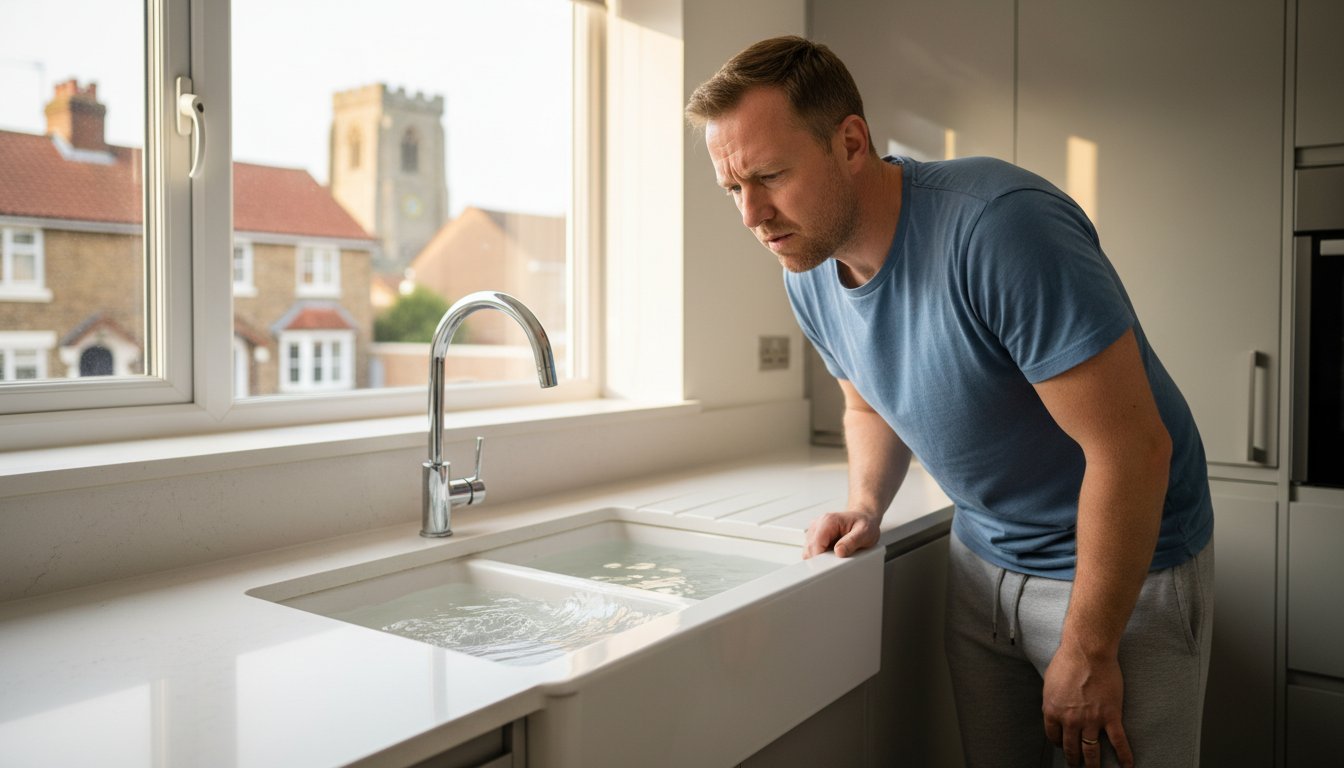
On a rainy Tuesday in Eaton, you finish the washing up only to find two inches of grey water lingering in the basin. It’s a common headache for Norwich homeowners, and that stagnant smell from a slow draining sink quickly fills the kitchen. You likely want a clear drain immediately but worry about the disruption and the potential cost of a professional call-out. We understand that standing water is more than a nuisance; it’s a frustration that stops your evening in its tracks.
According to Water UK, fat, oil, and grease cause approximately 75% of all sewer blockages, often starting as a minor restriction in your household pipes. This article shows you how to diagnose the issue and provides safe, practical methods to restore flow before you reach for the phone. We’ll walk through the common culprits found in Norfolk homes and explain exactly when it’s time to let Viktor handle the heavy lifting. You’ll gain the confidence to tackle basic blockages safely while ensuring your plumbing remains in top condition.
A slow draining sink is more than a minor annoyance. It is usually the first warning sign of a developing blockage that could lead to a messy overflow or a costly emergency. In Norwich, we see several recurring issues that cause water to linger in your basin. Most domestic plumbing problems stem from everyday habits and the specific environmental conditions of the Norfolk area. Identifying the cause early helps you take the right action before your pipes stop working entirely.
In bathroom basins, the main offenders are hair and soap scum. These two materials combine to form dense, felt-like mats inside your pipes. As hair catches on the rough internal surfaces of older pipes, soap scum acts as a glue. It binds the strands together until the water flow is restricted. Kitchen sinks face different challenges. We frequently find that fats, oils, and grease (FOG) are the culprits. Even if you rinse them down with hot water, they quickly cool and solidify against the pipe walls. This creates a waxy buildup that narrows the passage. If your pipes aren’t properly integrated into a functional drain-waste-vent system, these clogs can become even harder to clear because of poor air pressure balance.
Norwich and the surrounding Norfolk towns are known for having very hard water. This means your water contains high levels of dissolved minerals like calcium and magnesium. Over time, these minerals settle inside your waste pipes, creating a rock-hard layer of limescale. This scale narrows the internal bore of the pipe, making it much easier for other debris to get stuck. Scheduling regular preventative plumbing maintenance is the most effective way to manage this mineral buildup before it requires an emergency call-out.
Biofilm is a sticky matrix of bacteria and organic matter that clings to the inside of your drains. It forms from a mix of toothpaste, shaving foam, and shed skin cells. This “sludge” often produces a noticeable musty smell long before the slow draining sink stops completely. Biofilm acts like a magnet, catching every small particle that passes through the sink. This creates a thick, jelly-like obstruction that slows down the water and eventually leads to a full blockage if left untreated. It’s a common issue in households where the drains aren’t flushed with high-volume water regularly.
Start with the least invasive method when you notice a slow draining sink. This protects your PVC or copper pipes from unnecessary wear. Most kitchen blockages involve solidified fats or food particles. Pour 1.5 litres of boiling water directly down the drain. Do this in three separate stages. This simple heat treatment melts grease and clears minor obstructions effectively. If the water still pools in the basin, you need a more active solution. We follow a clear hierarchy of intervention. We start with thermal methods, move to chemical reactions, and finish with mechanical pressure.
Bicarbonate of soda and white vinegar create a powerful, non-toxic reaction. This eco-friendly choice is perfect for Norwich homes with older pipework. Use a 1:2 ratio for the best results. Pour 100g of bicarbonate of soda into the plug hole first. Follow this immediately with 200ml of white vinegar. The resulting carbon dioxide gas creates physical pressure to push through organic debris like hair and soap scum. Leave the mixture to work for a 15-minute period. Flush the drain with a kettle of hot water to clear the residue. To keep your plumbing healthy, you must Properly Dispose of Waste such as coffee grounds and cooking fats. Never use this method if you recently applied a store-bought caustic cleaner. Combining vinegar with bleach-based cleaners creates toxic chlorine gas.
A plunger provides the mechanical force needed for stubborn clogs. Use a standard cup plunger for your sink. Ensure there is at least 5cm of water in the basin to cover the rubber head. Block the overflow opening with a wet rag or a piece of tape. This seal is vital. Without it, air escapes through the overflow and the pressure won’t reach the blockage. Apply ten firm, vertical strokes while maintaining the seal. Keep your head back to avoid dirty splashback on your face or clothes. Check the rubber seal on your plunger for cracks before you start. A damaged plunger won’t create the necessary vacuum. If your slow draining sink persists after three attempts, the blockage likely sits deeper in the Norfolk drainage network. You can contact our local engineers for a professional inspection and a permanent solution.

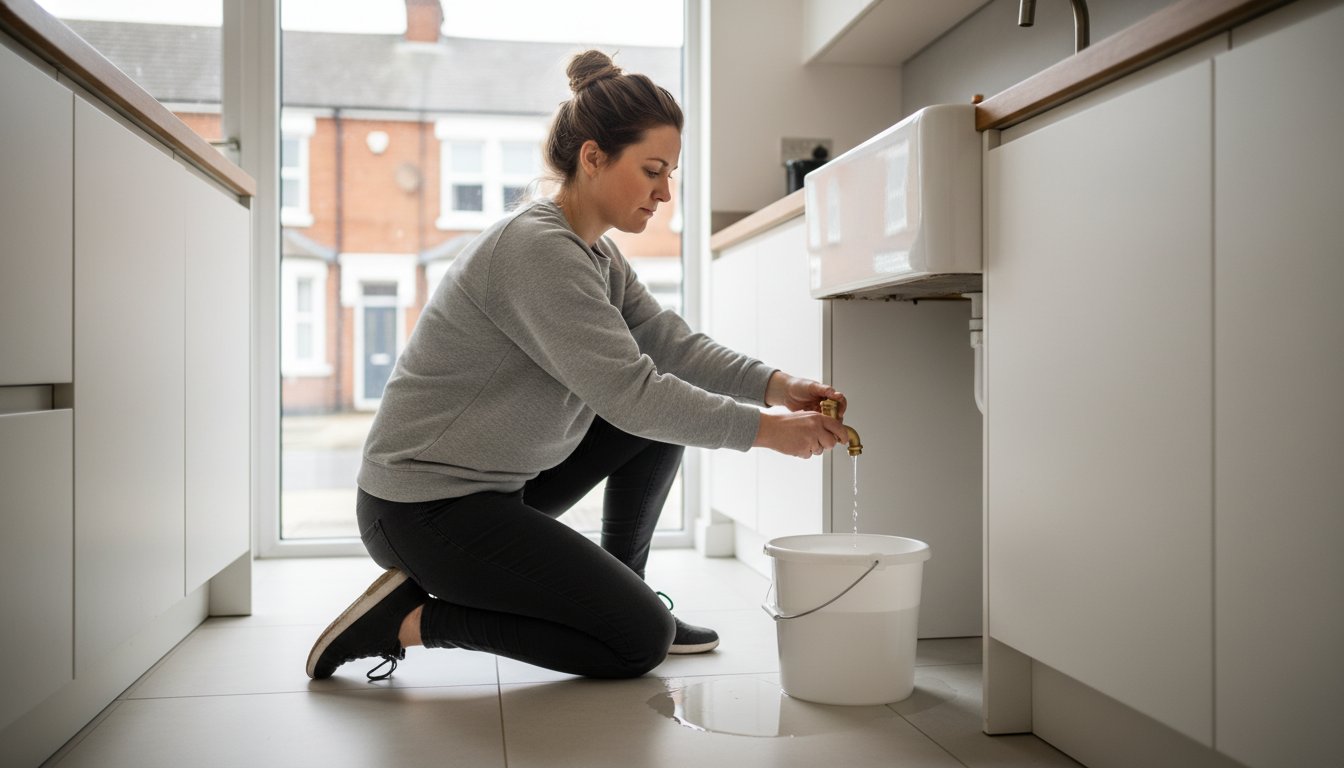
When basic flushes don’t clear the path, you must move to mechanical methods. Preparation is the most important step here. Clear out the cupboard under the sink and lay down several thick towels. Place a sturdy 10-litre bucket directly under the pipe joints. This prevents foul-smelling water from ruining your flooring or cabinetry. Taking these steps ensures your DIY attempt remains a clean and controlled process. A slow draining sink often hides a physical mass that only manual removal can solve.
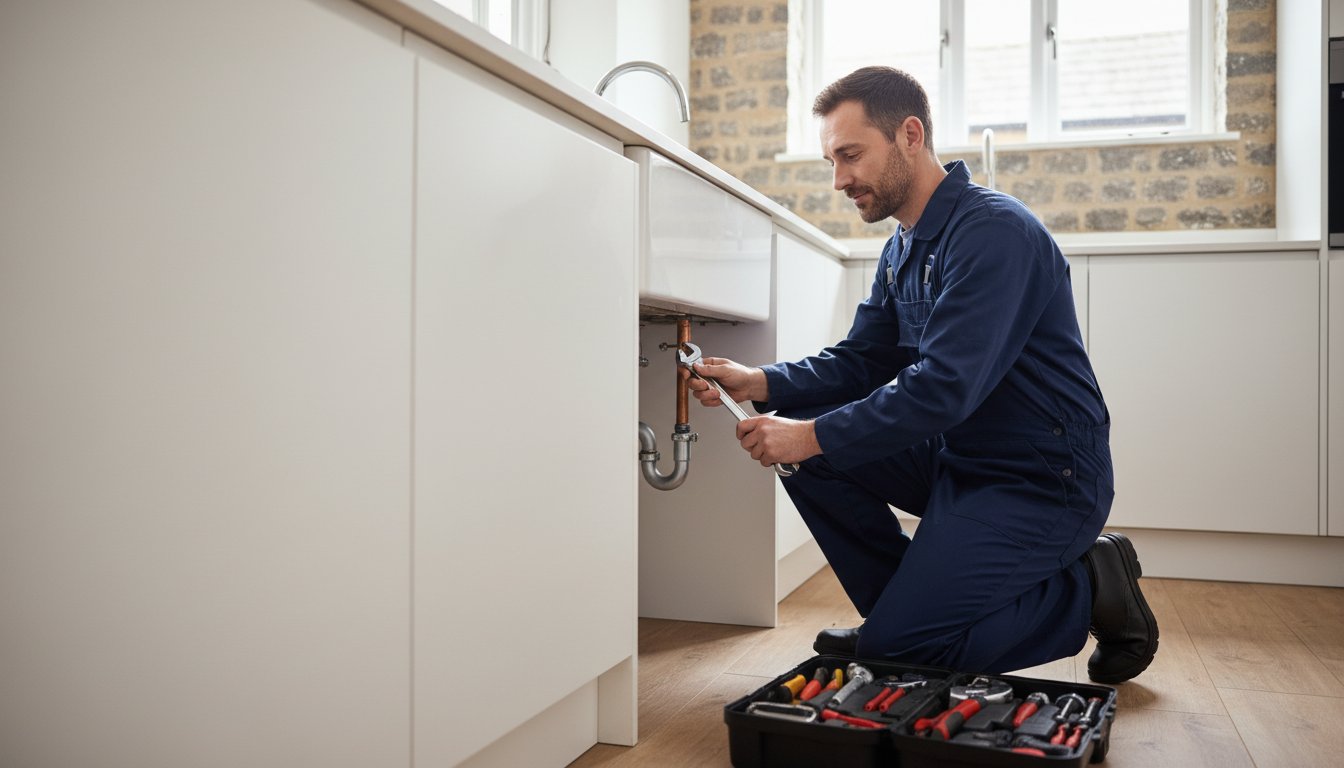
The P-trap is the U-shaped pipe located directly under your basin. It serves as the primary barrier for sewer gases by holding a small amount of water to seal the pipe. You can usually loosen the plastic slip nuts by hand. If the nuts are stubborn, use a pair of adjustable pliers, but wrap a cloth around the nut first to protect the plastic from teeth marks. Once you remove the trap, empty the standing water into your bucket.
Inspect the interior of the bend for solid masses. You will often find a significant accumulation of hair, soap residue, and grease. This debris is one of the most common causes of a slow-draining sink in Norwich households. Before you reassemble the unit, check the rubber O-rings for signs of wear or thinning. If the seals are flat or cracked, replace them to prevent future leaks. Scrub the pipe walls with a flexible brush and warm soapy water before tightening the nuts back into place.
If the P-trap is clear, the blockage sits deeper in the waste pipe. A plastic drain zip is a thin, flexible tool with small barbs. It’s perfect for pulling hair clogs out of the first 30cm of the drain. For deeper issues, you need a hand auger. Feed the metal cable into the wall pipe until you hit an obstruction. Rotate the handle at a steady pace to snag the material and pull it back toward you.
A slow draining sink often starts as a minor inconvenience, but ignoring it can lead to costly water damage. Most homeowners reach for a plunger when water begins to pool. This works well for simple clogs near the surface. However, some symptoms signal a system-wide failure that requires professional diagnostic equipment. You need to know when your DIY efforts have reached their limit to avoid making the situation worse.
Your plumbing system is interconnected. If you notice that multiple fixtures are slow at the same time, the problem is likely deep in your main drainage line. For example, water backing up into the bathtub while you run the kitchen sink is a major red flag. These issues often stem from “fatbergs” or root ingress in the external pipes. Watch out for these specific signs:
Don’t wait for a total flood to happen. If your home is experiencing these systemic issues, contact our emergency plumber Norwich team immediately for a fast response. We have the specialized tools to clear main lines without damaging your property.
Many people try to dissolve a slow draining sink using caustic chemical cleaners. These products are often more harmful than the clog itself. Caustic liquids generate intense heat through chemical reactions. This heat can reach temperatures high enough to soften or even melt PVC pipes, leading to hidden leaks behind your walls. Estimates from UK trade bodies suggest that improper chemical use contributes to thousands of avoidable pipe repairs every year.
These chemicals also damage the local Norfolk environment once they enter the sewage system. A professional general plumber uses mechanical methods like drain snakes or CCTV inspections to clear pipes safely. These tools remove the physical obstruction without risking your pipework or the local ecosystem. Viktor provides these expert services with a focus on long-term reliability and transparent pricing.
If your sink remains stubborn after one or two attempts to clear it, stop and seek professional help. We bring the right tools to identify the root cause, whether it’s a buildup of fats or a structural pipe issue. We’ve helped hundreds of Norwich residents restore their plumbing with a no-nonsense, friendly approach. You can book a visit today to restore your home’s plumbing to perfect working order.
Ready to fix your drainage issues for good? Contact Viktor at Norwich Plumbing for a free, no-obligation quote today.
Fixing a slow draining sink is only half the battle. To keep your pipes clear, you need a proactive approach to drain health. Most blockages in Norwich homes start with small habits that build up over several months. By making a few minor adjustments, you can avoid the stress and mess of a backed-up system.
Start by installing mesh sink strainers in every basin. These simple tools often cost less than £10 but act as a vital line of defence. They catch hair in the bathroom and food scraps in the kitchen before they ever reach your plumbing. Emptying these into the bin daily prevents the most common causes of clogs. For kitchen drains, adopt a “Clean as You Go” philosophy. Scrape all plates thoroughly into the bin or compost. Even small amounts of organic matter can collect in the U-bend and cause foul odours or restricted flow.
Never pour cooking oil, fats, or grease down your sink. While it might seem liquid when hot, it cools and hardens inside your pipes. This creates a stubborn mass that traps other debris. Hot water doesn’t solve this; it just pushes the grease further into the Norfolk sewer system where it can cause larger issues. Always collect grease in a jar and dispose of it in the household waste once it’s solid.
To keep things flowing, perform a weekly hot water flush. Pouring a kettle of boiling water down the drain helps dissolve soap scum and minor fatty deposits. In the bathroom, make it a habit to clean the pop-up stopper regularly. These are notorious for catching hair and toothpaste grime. Removing the stopper and clearing the accumulated debris every few weeks prevents a slow draining sink from developing into a total blockage.
When you choose a professional service, you deserve results that last. All my repairs include a one-year labour warranty. This guarantee reflects my commitment to high-quality workmanship and reliable solutions for every customer. I have extensive experience with the unique plumbing layouts found across Norwich and the wider Norfolk area. This local expertise ensures I use the correct parts and techniques for your specific property type, whether it’s a Viktorian terrace or a modern apartment.
If you’re tired of dealing with recurring drainage issues, it’s time for a permanent solution. Contact Viktor today for a no-obligation quote and get your home’s plumbing back in top condition.
Dealing with a slow draining sink doesn’t have to disrupt your daily routine. You can often resolve minor issues with simple home remedies, but persistent blockages usually signal a deeper problem within your pipes. Regular maintenance and careful waste disposal are your best tools for preventing future clogs in your Norfolk property.
When DIY methods aren’t enough, it’s time to bring in a professional. We’ve spent nearly 20 years fixing plumbing issues for homeowners across Norwich and the surrounding areas. Our team provides 24/7 emergency support for those urgent situations that can’t wait until morning. Every repair we perform includes a full one-year labour warranty, so you can trust that the job is done right the first time.
Book a local Norwich plumber to fix your slow drain today and enjoy the peace of mind that comes with clear, functional plumbing. We’re here to help you get your home back to normal quickly and efficiently.
You should avoid pouring boiling water down your sink if your home has plastic (PVC) pipes. Standard PVC piping can soften or deform at temperatures around 60°C, while boiling water reaches 100°C. If you live in an older Norwich property with copper or cast iron pipes, it’s generally safe. Most modern systems use plastic, so we recommend using hot tap water to protect your joints and seals.
This unpleasant scent usually comes from bacteria growing on trapped hair, soap scum, and biofilm inside the drain. As these materials decompose, they release hydrogen sulfide gas. In Norfolk’s hard water areas, limescale often traps this organic matter, making the scent more persistent. Cleaning the overflow hole and the P-trap with a mild disinfectant typically resolves the issue within 24 hours.
You can use a straightened wire hanger to hook hair clogs near the surface, but it’s not a professional solution. Metal hangers easily scratch ceramic basins or puncture thin plastic pipes if you’re too forceful. For a slow draining sink, a dedicated plastic drain strip or a professional plumbing snake is much safer. These tools navigate bends without causing structural damage to your drainage system.
We recommend cleaning your sink traps every 6 months to prevent major blockages. In high-use areas like kitchen sinks, a quarterly check helps remove grease and food particles before they solidify. Regular maintenance reduces the risk of a slow draining sink and keeps your plumbing running efficiently. It’s a simple 10 minute task that saves you from emergency call-out fees later in the year.
A slow drain won’t clear itself and will almost always get worse over time. Debris like hair, fats, and soap scum act as a filter, catching more waste as it passes through the pipe. What starts as a minor annoyance today often becomes a total blockage within 14 to 21 days. Addressing the restriction early prevents the need for more invasive and expensive mechanical cleaning later on.
Yes, hard water is a significant factor for homeowners across Norwich and the surrounding Norfolk area. The high mineral content, which often exceeds 200mg of calcium carbonate per litre, creates limescale deposits inside your pipes. This rough surface catches debris more easily and narrows the internal diameter of the pipe. Over a period of 5 years, this buildup can reduce water flow by 25% or more.
You should stop using your water immediately and contact a professional plumber. This combination suggests a blockage in the main soil pipe or a problem with the plumbing vent stack. When air can’t escape the system, it’s forced through the water in your toilet traps, causing that gurgling sound. This is a serious issue that could lead to sewage backing up into your home within hours.
A professional plumber in Norwich typically charges between £70 and £120 for a standard sink unblocking according to 2024 industry averages from Checkatrade. Prices vary based on the severity of the clog and whether specialist equipment like high-pressure jetting is required. We always provide transparent, fixed quotes before starting any work so you know exactly what the job costs without any hidden surprises.

[…] drain cleaners. The same gentle, chemical-free techniques are also useful if you are dealing with a slow draining sink elsewhere in your […]
[…] in Norfolk homes. The same mineral-heavy water that causes cistern problems can also lead to a slow draining sink elsewhere in your home, so it is worth checking your other fixtures while you […]