Professional Plumbing Services in Norwich
E-mail us: viktors.plumbing@gmail.com
24 Hour Emergency Plumbing Service

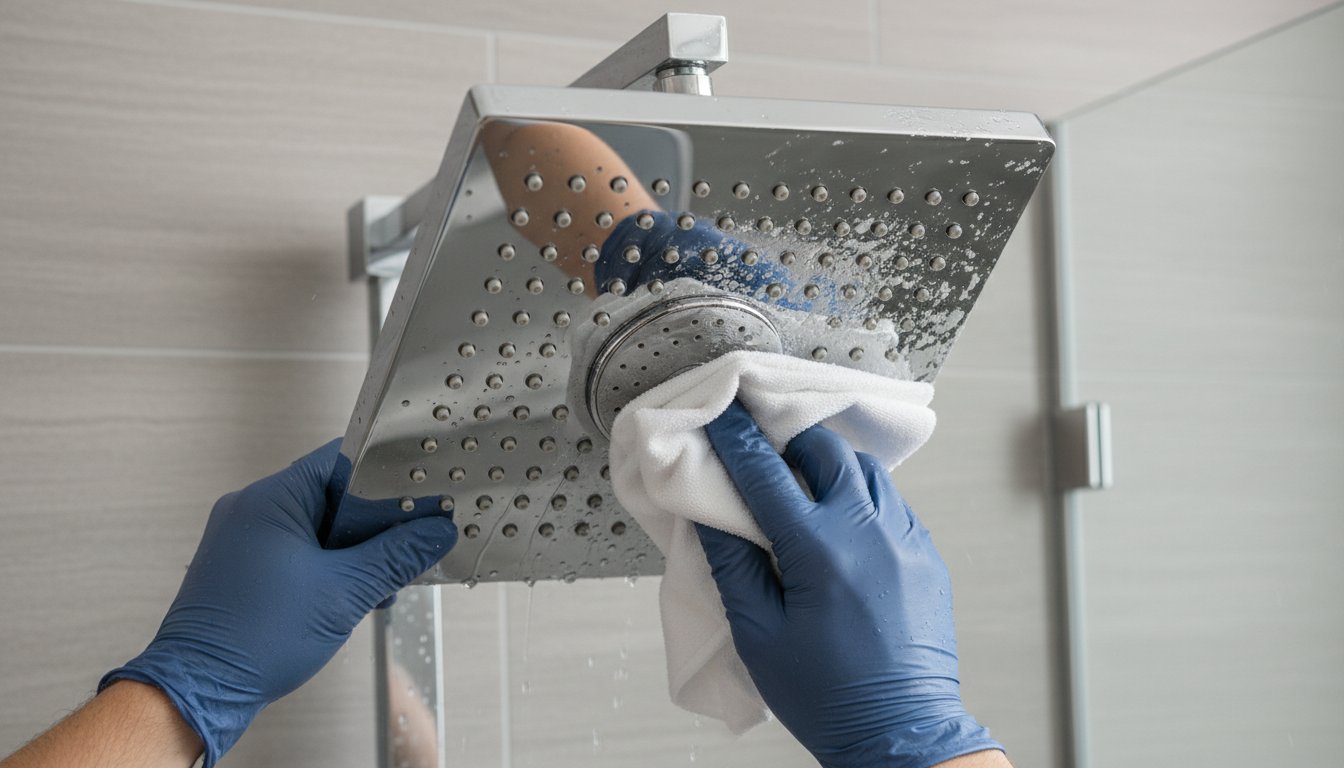
Last Tuesday, a homeowner in Thorpe St Andrew stepped into the shower only to be met with a pathetic trickle and a sudden, bone-chilling drop in temperature. If you live in Norfolk, you likely know this frustration well. Our local water is notoriously hard; limescale can reduce your water flow by as much as 25% in just 12 months. It’s easy to ignore a stiff handle or a tiny drip, but these minor annoyances often lead to expensive emergencies if they aren’t addressed early.
We agree that your morning routine shouldn’t be a source of stress. This guide provides practical steps for shower system maintenance to help you extend the life of your fixtures and combat the mineral build-up common across Norwich. You’ll learn how to restore your water pressure, keep temperatures consistent, and identify when a leak requires a professional fix to avoid a potential £1,200 repair bill for water damage hidden behind your tiles.
We’ll walk you through essential cleaning routines for shower heads, how to service thermostatic valves, and the clear warning signs that suggest it’s time to call a local expert.
Keeping your bathroom looking clean is a daily habit for most Norwich homeowners, but true shower system maintenance goes far deeper than polishing a chrome showerhead or scrubbing grout lines. It involves the scheduled inspection and servicing of the internal components that manage water temperature, flow rates, and pressure balance. When these hidden parts fail, the result is often a sudden loss of hot water or a leak that damages the floorboards below. We see these issues daily across Norfolk, and most are entirely preventable with a proactive approach.
The local environment plays a massive role in how your plumbing performs over time. Because our region relies heavily on groundwater from chalk aquifers, the water entering your home is packed with minerals. You likely see the white, chalky residue on your kettle or taps, but the real damage happens where you cannot see it. Understanding what limescale is helps explain why internal filters and thermostatic cartridges seize up so frequently in East Anglian homes. Without regular descaling, these minerals turn into a rock-hard crust that restricts movement within the valve.
Ignoring these internal build-ups leads to a steep financial penalty. A standard service call to clean and recalibrate a shower valve is a modest investment, whereas a full replacement of a concealed thermostatic valve often exceeds £500 once you account for the specialist parts, labour, and the inevitable cost of replacing tiles. Statistics from our recent call-outs in 2023 show that 65% of shower replacements in the NR1 to NR7 postcodes could have been avoided if the homeowner had scheduled a basic check-up within the previous 24 months.
Safety is another factor that requires your attention. Neglected shower systems can harbour stagnant water in “dead legs” of pipework or within the showerhead itself if it is not used frequently. This creates a breeding ground for bacteria and biofilm. Furthermore, a failing thermostatic mixing valve (TMV) loses its ability to react to pressure changes. If someone turns on a kitchen tap while you are showering, a poorly maintained valve might fail to prevent a surge of scalding water, posing a serious risk to children and the elderly.
Norwich water contains high concentrations of calcium carbonate. When you heat this water to a comfortable 38°C for a shower, it triggers a chemical reaction that forces these minerals to precipitate out of the liquid and onto the metal surfaces of your shower valve. By 2026, local water saturation levels in Norwich are projected to reach 310 milligrams of calcium carbonate per litre, cementing its status as a high-risk zone for plumbing mineral deposits. This constant “snowing” of minerals inside your pipes eventually chokes the system entirely.
You don’t need to be a qualified plumber to spot the early warning signs of a failing system. We recommend looking for these specific red flags during your morning routine:
Our team at Viktor’s Plumbing Services provides the expert shower system maintenance required to keep your bathroom running smoothly and safely. We focus on identifying these small issues before they transform into expensive, high-stress emergencies.
Understanding the internal components of your shower is the first step toward effective shower system maintenance. Most homeowners in the Norwich area only consider their shower’s health when the water turns freezing or the pressure vanishes. Proactive care prevents these sudden failures. Every component has a specific lifespan, and ignoring small signs of wear often leads to expensive emergency call-outs. We see many systems where a simple £10 part could have saved a £300 repair if caught six months earlier.
The shower head acts as your primary point of contact and the first line of defense. Over time, mineral deposits accumulate inside the nozzles and the internal chamber. This is a significant issue in Norfolk because the composition of hard water in our region leads to rapid calcium carbonate buildup. When 25% of your nozzles become blocked, back-pressure increases throughout the system. This pressure puts strain on your hose and the internal seals of your mixer valve, eventually causing leaks.
The Thermostatic Mixing Valve (TMV) is the brain of your shower. It relies on a sensitive wax element that expands and contracts to blend hot and cold water. This element reacts to temperature changes in milliseconds to prevent scalding. Internal filters within the TMV frequently trap pipe scale, which consists of small debris from your copper pipework. You should “exercise” this valve every month by turning the temperature dial from full cold to full hot for thirty seconds. This simple action keeps the internal components from seizing up.
Internal cartridges and O-rings are the moving parts that suffer the most from friction. Without regular lubrication, these rubber seals become brittle and perish. We recommend applying WRAS-approved silicone grease to these parts every two years. This prevents that “stiff” feeling when you turn the handle and ensures a watertight shut-off every time you finish your shower.
Flexible hoses often hide a hidden failure known as an internal liner collapse. While the external metal coil looks pristine, the inner rubber tube can kink or tear, which reduces water flow by up to 60%. If your pressure drops suddenly, the hose is the first place we look. Most modern handsets feature “rub-clean” nozzles. You can maintain these by firmly rubbing your thumb over the rubber tips during your shower to dislodge soft limescale before it hardens. If the chrome finish begins to peel or the hose leaks at the swivel joint, it is usually more cost-effective to replace the unit for £20 to £35 rather than attempting a temporary patch.
For those with gravity-fed systems, the shower pump is the workhorse that provides your water pressure. These units require clear airways for cooling and clean inlet filters to function. We find that 15% of pump failures are actually caused by air locks or debris in the mesh filters. If your pump has started making a hunting or pulsing sound, it is time for a professional check. Our local engineers can inspect your shower components to ensure everything is running at peak efficiency before the winter months arrive.
Living in Norfolk means dealing with some of the hardest water in the UK. According to 2023 water quality reports, parts of Norwich can see levels exceeding 300mg of calcium carbonate per litre. This mineral content settles inside your fixtures, making consistent shower system maintenance a necessity rather than an option. If you ignore the buildup, you’ll notice a 25% drop in water pressure within just twelve months. We use a structured descaling framework to restore flow and protect your investment without damaging expensive finishes.
White vinegar remains the most cost-effective, eco-friendly Norfolk favourite for routine cleaning. It’s gentle enough for standard chrome but effective at breaking down light surface scale. For heavy calcification, we recommend citric acid. It’s an odourless powder that, when mixed with warm water, works approximately 30% faster than vinegar. It’s the professional choice for handsets that haven’t been cleaned in over six months.
Commercial gels have a specific role in shower system maintenance, particularly for vertical surfaces like riser rails and glass hinges. These products cling to the surface, allowing the active ingredients time to work. You must check your manufacturer’s guide first. While chrome is resilient, modern finishes like matte black or brushed brass often feature a thin lacquer. Harsh synthetic acids can peel this coating in under ten minutes, leaving permanent silver streaks on your designer hardware.
External cleaning only solves half the problem. Limescale often migrates deep into the valve body. Before you start, isolate the water supply at the local service valves. This prevents 10 bar of pressure from ejecting internal components across your bathroom. Once the water is off, carefully remove the thermostatic cartridge using a 24mm spanner. We always suggest placing a cloth over the brass housing to prevent tool marks. Even a small scratch can lead to corrosion over the next two years.
While the cartridge is out, inspect the non-return valves (NRVs). These small components prevent hot water from backing up into the cold supply. Use a soft-bristled toothbrush to clear debris from the mesh filters. If you’re troubleshooting common shower issues like fluctuating temperatures, these blocked filters are the primary culprit. Flushing the internal pipework for 30 seconds before reassembling the valve ensures any loose grit is cleared out for good.
Don’t be tempted to use aggressive bleach-based cleaners for internal parts. Bleach is a powerful oxidant that dries out rubber O-rings and silicone seals. Once these seals lose their elasticity, they crack and perish. This leads to internal leaks that can rot your floorboards or damage the ceiling below within weeks. We always apply a thin layer of WRAS-approved silicone grease to all seals during reassembly. This simple step extends the life of your shower valve by up to five years and ensures the controls remain smooth and easy to turn for every member of the household.

Regular shower system maintenance keeps your bathroom functional and prevents expensive emergency repairs. While many homeowners feel confident tackling basic cleaning, certain tasks require a professional touch to avoid structural damage. Understanding the boundary between a simple fix and a complex mechanical failure is essential for every Norwich household. We see many cases where a well-intentioned DIY repair leads to a larger bill because the right tools weren’t available.
Professional plumbers use specialized pullers to remove older shower valves that have seized over time. Mineral deposits in Norfolk’s water can cement these components in place. If you try to force a valve with standard pliers, you risk snapping the internal brass housing. This turns a simple cartridge swap into a full wall excavation. We carry the specific extraction tools designed to apply even pressure, protecting your pipework and your tiles from unnecessary impact. Just as with professional kitchen tap installation, having the right tools and expertise prevents costly mistakes that can damage your home’s plumbing infrastructure.
Safety is the primary reason to pause before dismantling a shower unit. Most modern systems rely on a Thermostatic Mixing Valve (TMV) to blend hot and cold water. If a TMV is reassembled incorrectly after a DIY descaling attempt, the failsafe mechanism may stop working. This creates a genuine risk of scalding, as water can reach 60°C in seconds. We calibrate every valve we install or repair using digital thermometers to ensure your family stays safe.
Insurance implications are another factor that homeowners often overlook. Data from the Association of British Insurers shows that “escape of water” claims account for 25% of domestic property payouts in the UK. If you experience a significant leak, your insurer will often ask for proof of professional maintenance. We provide VAT-compliant receipts and detailed service reports that serve as vital evidence for your records. This documentation proves that you’ve taken reasonable steps to maintain your home, making the claims process much smoother if the worst happens.
Beyond the plumbing fix, leaks often cause secondary damage to carpets, floors, and upholstery. It’s crucial to address this water damage quickly to prevent mould and permanent stains. While your plumber handles the source of the leak, specialist services are often required for the cleanup and restoration. For homeowners dealing with the aftermath, professional help from firms like The Rutland Cleaning Company can be essential for salvaging floors and furniture.
Our team understands the local plumbing infrastructure across Norwich and the surrounding villages. We don’t just fix the immediate leak; we look for the root cause to ensure it doesn’t return next month. Whether it’s a seized cartridge or a hidden leak behind the riser rail, we provide the calm, expert assistance you need to get your morning routine back on track.
Proactive care prevents a minor leak from turning into a £500 ceiling repair or a ruined floorboard. At Viktor’s Plumbing, we bring 20 years of experience to every home across Norfolk. We understand the local water conditions, specifically the high mineral content found in Norwich water supplies that often exceeds 280ppm. This hard water leads to rapid limescale buildup inside your fixtures. Our team focuses on preventative shower system maintenance to keep your daily routine running without interruption. We don’t believe in guesswork or temporary patches. Every maintenance visit starts with our signature 12-point shower health check. This rigorous process allows us to identify worn parts before they fail completely, saving you the stress of a cold morning surprise.
Our 12-point check is comprehensive. We examine the stability of the riser rail, the integrity of the shower hose, and the performance of the thermostatic mixing valve. We also inspect wall fixings and grout lines immediately surrounding the unit to ensure no water is tracking behind the tiles. If a component shows signs of fatigue, we tell you immediately and provide a fixed-price solution. You receive a one-year labour warranty on all maintenance work we perform. This guarantee reflects our confidence in the quality of our repairs and our commitment to the local community. We maintain a policy of transparent, no-nonsense pricing. You’ll know the exact cost of your routine service before we start, with no hidden fees or surprise additions on your final invoice.
Our engineers perform a deep-dive inspection of your shower’s internal mechanics. We strip down the unit to check all seals, cartridges, and filters for debris or limescale buildup. We use only WRAS-approved silicone grease to lubricate moving parts, which ensures smooth handle operation and prevents premature wear on plastic components. Finally, we conduct pressure testing using calibrated gauges. This confirms your system achieves the 1.0 to 3.0 bar flow rates required for a powerful, consistent spray. If your pressure has dropped by 15 percent or more since installation, we’ll find the blockage and clear it.
We make it easy to protect your bathroom investment. Our team covers Norwich, Wymondham, Aylsham, and Loddon daily. We offer flexible scheduling, including early morning slots at 8:00 AM, to fit your busy week. Don’t wait for a total breakdown to call a professional. Regular shower system maintenance can extend the life of your equipment by up to 40 percent. It’s the smartest way to avoid emergency call-out charges later in the year. Book your shower system service with Viktor’s Plumbing today to ensure your home stays leak-free and functional. We pride ourselves on being the trusted local experts who arrive on time and leave your bathroom spotless.
Our reputation in Norfolk is built on integrity and punctuality. Whether you have a modern digital shower or a traditional mixer, we have the technical mastery to service it correctly. We’ve spent two decades refining our process to ensure every customer feels reassured and valued. By choosing a local specialist, you’re ensuring that your plumbing is handled by someone who knows the specific challenges of the region’s infrastructure. We’re ready to help you maintain a reliable, high-performance shower for years to come.
Consistent shower system maintenance is the most effective way to prevent sudden breakdowns and expensive water damage in your Norfolk home. By descaling your fixtures every 6 months and monitoring for pressure changes, you extend the life of your equipment significantly. It’s vital to remember that while DIY methods like citric acid soaks work well for surface grime, internal valve issues often require the steady hand of a local expert to ensure safety.
Viktor’s Plumbing offers over 20 years of local Norwich experience, ensuring your bathroom stays in peak condition. We back every repair with a one-year labour warranty, so you know the job is done right. If you face an urgent leak at an inconvenient hour, our 24/7 emergency support team is always on standby to assist. We focus on clear, honest communication and functional solutions that respect your time and budget.
Don’t wait for a small drip to become a major renovation project. Get a free no-obligation quote for your shower maintenance and enjoy a reliable, high-pressure shower every single morning.
You should descale your shower head every 3 months to prevent limescale from blocking the jets. Norwich water is classified as very hard, containing over 300 milligrams of calcium carbonate per litre. Regular descaling ensures your shower system maintenance routine keeps water flowing freely. Simply soak the head in a 50/50 white vinegar and water solution for 60 minutes to dissolve mineral deposits effectively.
A sudden drop in pressure usually indicates a blocked inlet filter, a failing pump, or a partially closed stopcock. Check your internal stopcock first to ensure it’s 100% open. If the issue persists, remember that a 2mm layer of limescale in the pipework can reduce flow rates by 25%. We find that debris in the inlet filters causes 4 out of 5 pressure-related call-outs in Norfolk homes.
Don’t use WD-40 on your shower handle because it’s a solvent that can degrade rubber O-rings and seals within 24 hours. You should apply a dedicated silicone-based lubricant that’s WRAS approved for plumbing instead. If the handle remains stiff, the internal ceramic disc or cartridge likely has 1mm of scale buildup. Replacing the cartridge is the most reliable way to restore smooth operation and prevent the handle from snapping.
It’s normal for a shower head to drip for up to 30 seconds after use due to surface tension and residual water in the hose. This isn’t a fault; it’s just gravity clearing the remaining 50ml to 100ml of water. However, if the dripping continues for more than 5 minutes, your shower valve’s seals are likely worn. A constant drip can waste over 5,000 litres of water per year.
A thermostatic cartridge is the component that blends hot and cold water to maintain a safe temperature within 1 degree Celsius. These parts fail when limescale accumulates on the internal wax element, preventing it from reacting to temperature changes. In Norwich, we find that cartridges typically last 5 to 7 years before mineral deposits cause them to seize. Replacing this part is a core task in professional shower system maintenance.
A water softener will reduce your shower maintenance by removing 99% of the calcium and magnesium that cause limescale. By installing a softener, you’ll extend the life of your shower valve by up to 10 years and keep your glass screens clear of white spots. Homeowners in Norfolk often see a 50% reduction in the amount of cleaning products required after switching to softened water. It’s a smart long-term investment.
You’ll know your shower pump needs servicing if it becomes louder than 65 decibels or starts pulsing during use. If the pump takes more than 3 seconds to kick in, the flow switch is likely fouled with debris. We recommend a professional inspection every 2 years to check the flexible hoses for leaks. Replacing a £15 capacitor or cleaning a filter can often save you from a £250 pump replacement later.
A leaking shower is an emergency if water is visible on the ceiling below or if it’s leaking more than 1 litre per hour. Even a small leak can cause £1,000 of structural damage to floor joists if left for more than 48 hours, often creating damp issues within wall cavities that require specialist attention from a firm like CavClear. If you spot damp patches, turn off your water at the stopcock and call us immediately. We provide rapid response across Norwich to stop leaks before they become costly renovations.

[…] a dripping overflow usually means a valve has failed. For those with more complex setups, regular shower system maintenance is vital to keep pumps and thermostatic valves working correctly. Debris in the tank can quickly […]
[…] your shower system regularly to prevent scale from choking the internal […]
[…] temperatures usually point to a failing thermostatic mixing valve or a blocked filter. Regular shower system maintenance is vital in Norwich, where hard water can lead to rapid limescale build-up. For your heating […]