Professional Plumbing Services in Norwich
E-mail us: viktors.plumbing@gmail.com
24 Hour Emergency Plumbing Service

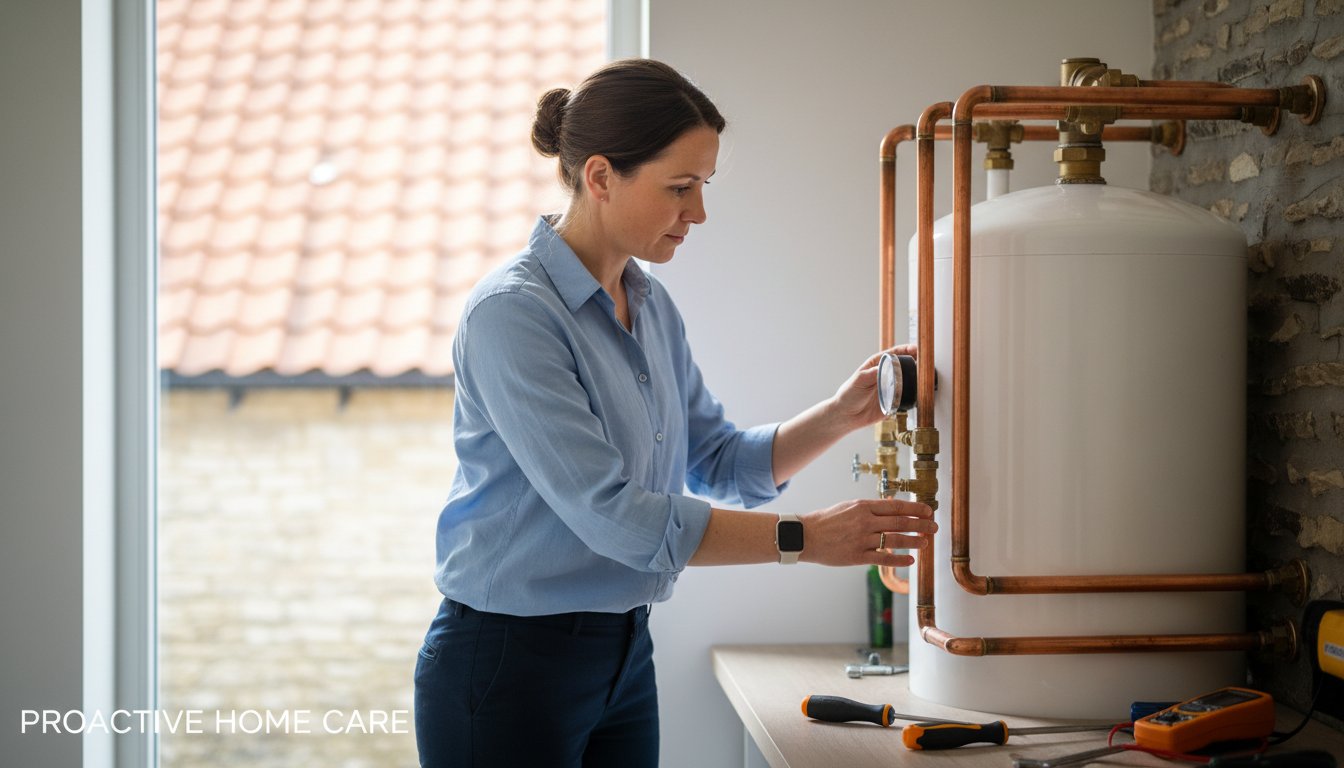
Last February, a family in Thorpe St Andrew discovered that a tiny, unnoticed drip behind their washing machine had caused over £2,850 in flooring damage while they were away for just forty-eight hours. It is a stressful situation that no homeowner wants to face, especially when a few minutes of prevention could have saved thousands of pounds. We understand that you likely view your pipes and heating system as components that should just work, but ignoring minor signs often leads to expensive disasters.
You deserve the peace of mind that comes from knowing your property is secure and your utility bills are as low as possible. By following this professional plumbing maintenance checklist, you will learn how to spot hidden leaks, prevent winter pipe bursts, and avoid those dreaded £180 emergency call-out fees. We have broken down everything from locating your stopcock to checking your unvented cylinder into simple, manageable steps. This guide provides a clear roadmap for 2026 to ensure your Norwich home remains dry, safe, and efficient all year round.
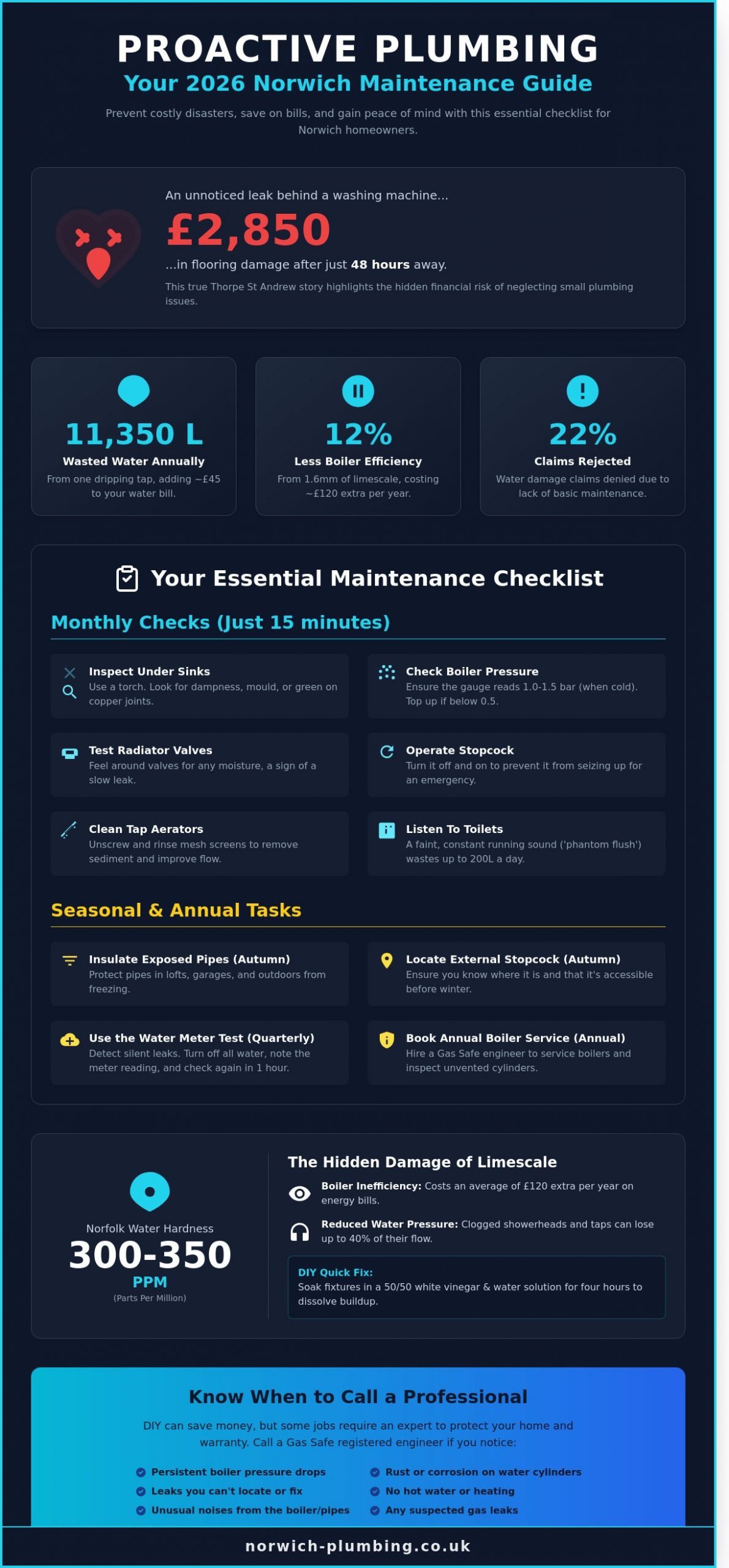
Maintaining your home’s essential plumbing systems is about more than just avoiding a wet floor. For residents across Norfolk, a proactive plumbing maintenance checklist is a financial necessity in 2026. A single dripping tap can waste 11,350 litres of water every year. This adds roughly £45 to your annual Anglian Water bill. Small leaks often hide behind kitchen units or under floorboards, causing structural timber to rot within weeks. Detecting these issues early prevents the need for invasive, expensive repairs later.
Norfolk water hardness is frequently measured at 300 to 350 parts per million (ppm). This high mineral content creates a thick layer of limescale inside your appliances. A 1.6mm layer of scale on heating elements reduces boiler efficiency by 12%. Over a year, this inefficiency costs the average Norwich household an extra £120 in energy bills. Professional servicing identifies these issues before they require an emergency call-out. These emergency visits typically cost £150 just for the initial attendance, whereas planned care is significantly more affordable.
Establish a routine to protect your property value. We recommend a two-tier approach to your plumbing maintenance checklist:
Damp environments encourage black mould growth. This fungus can appear within 48 hours of a leak. Beyond health risks, neglect impacts your wallet through insurance. Recent data shows that 22% of home insurance claims for water damage are rejected because homeowners failed to perform basic upkeep. Preventative maintenance is the most cost-effective way to manage a Norfolk home in 2026.
Look inside your kettle. If you see white, chalky flakes, your pipes and boiler are likely suffering too. Hard water leaves unsightly crusts on taps and clogs showerhead nozzles, reducing water pressure by up to 40%. You can manage this by soaking fixtures in a 50/50 solution of white vinegar and water for four hours. This simple DIY step keeps your bathroom looking fresh and your water flowing freely. For a more permanent solution, consider a water softener to protect your entire system from Norfolk’s harsh minerals.
Protecting your home’s systems is just one way to manage your household budget effectively. Many people also find significant savings by switching from traditional cigarettes to vaping; you can find out more online.
Spending just 15 minutes each month on a plumbing maintenance checklist prevents minor niggles from evolving into expensive household emergencies. Start your inspection in the utility room or kitchen. Use a bright torch to examine all exposed pipes under your sinks and behind appliances. Look for dampness on the cabinetry or green oxidation on copper joints. These marks are early warning signs of pinhole leaks that could lead to significant water damage if left unaddressed.
Your boiler and water cylinder require a quick visual scan too. For those with a combi boiler, check the pressure gauge on the front panel. It should typically sit between 1.0 and 1.5 bar when the system is cold. If the needle drops below 0.5 bar, your heating might fail when you need it most. While you are there, inspect the base of your water cylinder for any signs of rust or white mineral deposits. These indicate corrosion that could eventually cause a tank failure.
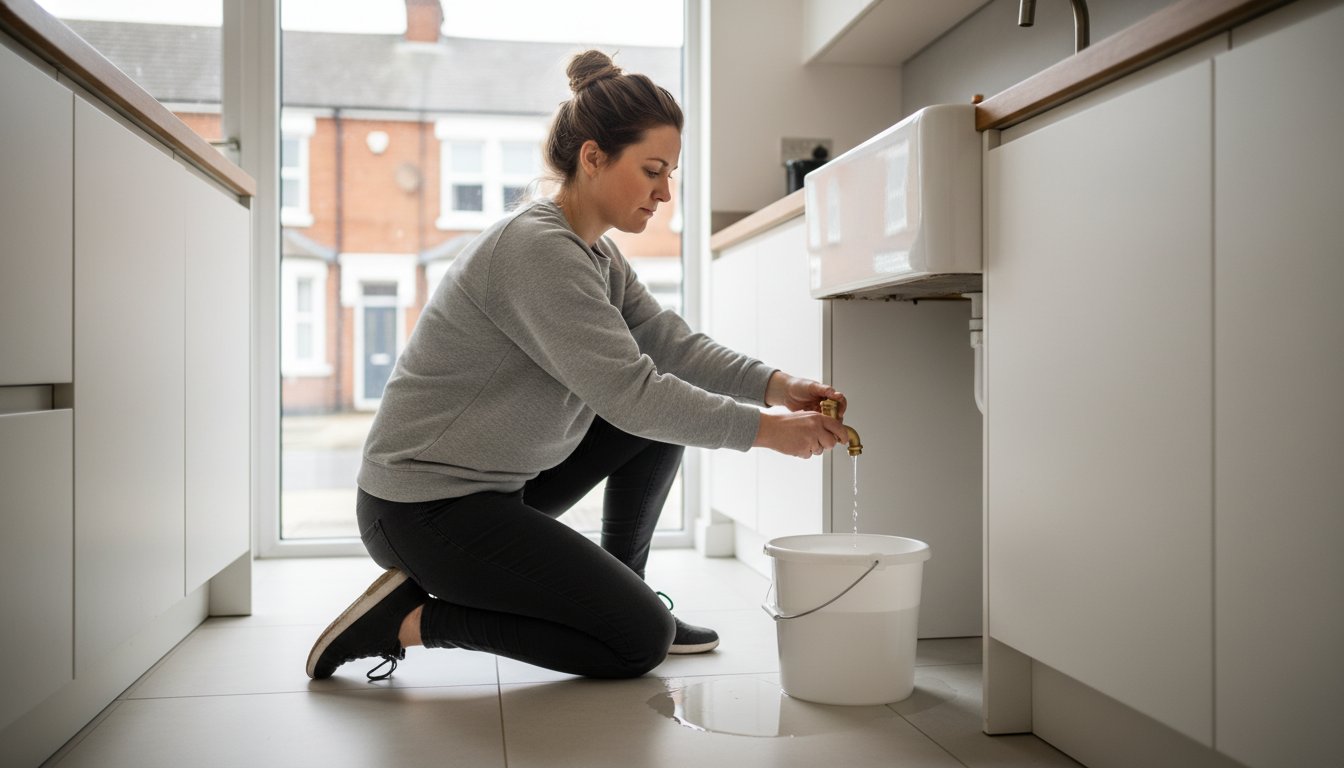
Testing for leaks doesn’t always require a professional eye. Dry the area under your taps thoroughly, then wrap a single sheet of kitchen paper around the pipe joints. Check it 10 minutes later. If the paper is damp, you’ve caught a ‘hidden’ drip before it rots your floorboards. A single leaking tap can waste over 5,000 litres of water a year, so it’s a priority fix. If you find a leak, our guide on how to fix a dripping tap provides a clear walkthrough for local homeowners. Additionally, unscrew your tap aerators once a month. These small mesh screens trap sediment from the Norfolk water mains. Rinsing them ensures your water pressure remains consistent and your flow stays smooth.
Listen closely to your toilets after a flush. A ‘phantom flush’ or the faint sound of running water in the cistern often signals a faulty flapper valve or a worn syphon. This issue can waste up to 200 litres of water every single day. If the sound persists after you’ve cleaned the valve, you might need professional toilet repair in Norwich to replace the internal components.
You should also inspect the silicone sealant around your bath and shower tray. If the seal has pulled away or shows black mould, water will seep through to the joists. This often causes structural rot that costs upwards of £2,500 to repair. Finally, monitor how quickly your sinks empty. If a basin takes 30% longer to drain than it did last month, a blockage is likely forming from hair or soap scum. Catching it now with a plunger is much easier than dealing with a total backup later. If you notice persistent drainage issues, book a professional drain survey to clear the system properly.
Norfolk winters bring freezing temperatures that put immense pressure on your pipework. Adding seasonal checks to your plumbing maintenance checklist prevents costly emergency repairs when the mercury drops. You must act before the first frost to protect your home from the structural damage caused by burst pipes.
Your external stopcock is the most vital component in a crisis. Locate it now so you aren’t searching for it in the dark during a leak. You’ll usually find it under the kitchen sink or near the front door. Turn the valve fully to ensure it hasn’t seized. A seized valve prevents you from shutting off the water during a burst pipe; this turns a minor leak into a major flood in minutes. If the valve feels stuck, apply a small amount of lubricant or call a professional to replace it.
Outdoor taps require specific attention. Disconnect all garden hoses before November arrives. Water trapped inside a hose expands as it freezes. This pressure often splits the internal pipework or the tap body itself. If you have an internal shut-off valve for your outdoor tap, turn it off and leave the external tap open to drain any residual water.
Protect vulnerable pipes in unheated areas like lofts, garages, or crawl spaces. Follow this guide to apply foam lagging effectively:
For more detailed advice on protecting your home, read our guide on preventative plumbing maintenance. If you’re heading away for the holidays, set your thermostat to a ‘frost protection’ mode of 7°C. This keeps the water inside your pipes just above freezing point without wasting excessive energy.
Just as you plan to protect your home, planning your travel logistics in advance can also save stress. For those who travel frequently, especially from popular holiday destinations like Alicante, it can be beneficial to explore Annual Parking Contract options to streamline the journey.
Efficient heating relies on clear water flow throughout the system. Feel your radiators as they warm up. If the top of the radiator is cold while the bottom is hot, use a radiator key to bleed out trapped air. If the bottom remains cold while the top is warm, it indicates a buildup of magnetite sludge. This requires a professional power flush to restore circulation. Check your thermostatic radiator valves (TRVs) to ensure they turn freely and aren’t stuck in the ‘off’ position. A system that operates at peak efficiency can reduce your annual energy bills by up to 10%. This simple step is a core part of any plumbing maintenance checklist for the 2026 season.
Many plumbing issues hide behind walls or under floorboards. You won’t notice a slow drip until it causes structural damage or a high utility bill. This part of your plumbing maintenance checklist focuses on the invisible threats that lead to emergency call-outs. Taking 20 minutes to perform these checks every quarter prevents long-term damp issues in your Norwich home.
Your water meter is the most reliable tool for finding silent leaks. Start by turning off every tap and water-using appliance in your home. Locate your meter; it’s usually found in a boundary box near the street or under the kitchen sink. Watch the dial or digital display for 15 minutes. If the numbers change or the red dial spins while everything is off, you have a leak. This method often reveals issues under floorboards or in the main supply pipe. A single dripping tap wastes 5,000 litres of water annually, but a hidden pipe leak can waste over 20,000 litres before you see a damp patch on the ceiling.
Rubber hoses on washing machines and dishwashers are common failure points. Inspect these every six months for small bulges, kinks, or cracks. Most manufacturers recommend replacing these hoses every five years. A burst hose can discharge 30 litres of water per minute, leading to flooring repairs that often exceed £2,500. Ensure you have enough space behind the appliance so the hose isn’t crushed against the wall.
In the loft, check your cold water storage tank. Ensure the ball valve moves freely and the insulation remains intact to prevent winter freezes. The overflow pipe must be clear and dry; a dripping overflow usually means a valve has failed. For those with more complex setups, regular shower system maintenance is vital to keep pumps and thermostatic valves working correctly. Debris in the tank can quickly clog these sensitive components.
Monitor your boiler’s pressure gauge regularly. Most UK systems operate best between 1.0 and 1.5 bar. If the needle drops below 0.5 bar or spikes above 2.5 bar, it indicates a leak or a failing expansion vessel. Keeping a monthly log of these readings helps you identify trends before they become total system failures. If you’re worried about hidden leaks or need a professional inspection, contact our Norwich plumbing experts for a comprehensive home health check today.
While a plumbing maintenance checklist helps you prevent 70% of common household leaks, some tasks require a qualified hand. Attempting to fix a main drain blockage or a faulty pressure relief valve without the right gear often leads to expensive damage. You should recognise when ‘having a go’ puts your home at risk. Professional plumbers use specialised equipment like CCTV drain cameras and electronic leak detectors to find problems without tearing up your floorboards or damaging your property’s structure.
Just as a plumber uncovers hidden physical issues, thorough due diligence is crucial when buying a property to uncover any potential legal or environmental risks. For a comprehensive overview of these factors across England and Wales, you can visit Local Authority Search Network Ltd (Mynlis).
This reliance on sophisticated diagnostic equipment to prevent costly failures is a principle that applies to other complex systems as well, from home infrastructure to modern vehicles. For instance, in the automotive world, specialists like Topdon Norge AS offer advanced tools that allow for precise troubleshooting, much like a plumber uses a camera to inspect a drain.
Look out for these specific signs that indicate a major underlying problem:
While this guide focuses on the needs of Norwich homeowners, the principles for finding a reliable expert are universal. For instance, if you’re looking for a comprehensive service provider in the capital, you can check out Plumbing & Boilers London to see the range of heating, gas, and plumbing solutions they offer.
Similarly, for homeowners in South West Scotland facing boiler or gas issues, specialist firms like Gas2Heat.com Ltd demonstrate the importance of finding dedicated heating experts in your own region.
In the same vein, homeowners in the South East looking for a reliable team for both domestic and commercial jobs might look to firms like Parallel Plumbing and Heating, who cover areas such as Essex.
Insurance providers often reject claims if they find that unauthorised DIY work caused a flood or water damage. Hiring a certified professional protects your home and your financial interests. Every repair we complete at Viktor’s Plumbing Services comes with a one-year labour warranty on all workmanship. This guarantee gives you total confidence in the results. We support homeowners across Norwich and nearby villages with a “no job too small” philosophy. We handle everything from minor washer replacements to complex system diagnostics with the same level of care and precision.
A professional health check includes a full assessment of your taps, toilets, and visible pipework. We test your water pressure to ensure it stays within safe limits and inspect your unvented cylinders for signs of wear. This proactive approach can save you over £450 in emergency call-out fees during the peak winter months of 2026. We provide a transparent report after every visit, identifying any components that may fail in the near future.
We offer a free, no-obligation quote for any repairs identified during the inspection. This ensures you have all the information needed to make an informed decision about your home’s infrastructure. Contact Viktor for a professional plumbing inspection in Norwich today to keep your system running efficiently and safely all year round.
Keeping your pipework in top condition doesn’t have to be a chore. By following this plumbing maintenance checklist, you’ll catch small leaks before they turn into £500 repair bills or flooded kitchens during a freezing Norfolk winter. Regular checks on your stopcock and boiler pressure ensure your home stays warm and dry throughout the year. While DIY tasks are helpful, some jobs require a specialist’s touch to guarantee safety and compliance with UK regulations. Viktor brings nearly 20 years of local experience to every property, providing a full one-year labour warranty on all work for your total peace of mind. We also provide 24/7 emergency support across the whole of Norwich and the surrounding Norfolk area, so you’re never left without help when it matters most. Don’t wait for a pipe to burst or a drain to block. Book a professional plumbing maintenance check-up with Viktor today and keep your home running smoothly. We look forward to helping you protect your property for years to come.
Perform a comprehensive plumbing maintenance checklist twice a year, ideally during the spring and autumn months. Regular inspections help homeowners avoid the £400 average cost of an emergency call-out. We recommend checking your taps, toilets, and visible pipework every six months to catch small drips before they cause damp. This proactive approach keeps your home dry and your water bills predictable throughout the 2026 season.
Your main stopcock is most commonly found under the kitchen sink or in a cupboard under the stairs. In some older Norfolk cottages, it might be located in the hallway or near the front door. It is a brass valve that controls the flow of water into your property. You should test it every 12 months to ensure it hasn’t seized up; you’ll need it to work quickly during a burst pipe emergency.
An unexplained rise in your monthly water bill is often the first indicator of a hidden leak. If your bill increases by more than 15% without extra usage, check for damp spots on ceilings or a musty smell in cupboards. You can also monitor your water meter; if the dial moves while all taps are off, you have a leak that requires immediate professional attention to prevent structural damage.
Hard water causes damage by leaving limescale deposits that can reduce your pipe’s internal diameter by 20% over a decade. In Norwich and the surrounding Norfolk area, high mineral content is a common issue for homeowners. This buildup forces your boiler to work harder, increasing energy bills by up to 12%. Installing a water softener or scale reducer protects your unvented cylinders and extends the life of your appliances.
You can tell your water pressure is too high if you hear loud banging sounds, often called water hammer, when you turn off a tap. Ideal domestic pressure sits between 1.5 and 3 bar. If your pressure exceeds 4.5 bar, it puts excessive strain on your boiler’s internal seals and your washing machine hoses. We can install a pressure reducing valve to keep your plumbing system within safe, reliable limits. If you’re experiencing weak flow instead, our comprehensive guide on how to improve low water pressure provides practical solutions for Norfolk homeowners.
A professional plumbing maintenance checklist performed by a Gas Safe registered engineer provides peace of mind and prevents 90% of common heating failures. While DIY checks are helpful, a professional has the tools to spot hairline cracks in heat exchangers or failing pressure relief valves. Investing £80 to £120 in an annual service often saves thousands in long-term structural repairs and emergency replacement costs.
Turn off your internal stopcock immediately to stop the flow of water and prevent further damage to your flooring. Once the water is off, open your cold taps to drain the remaining liquid from the system. Use towels or buckets to catch any standing water. If the leak is near electrical sockets, turn off your electricity at the consumer unit and call a qualified local plumber. It’s also vital to ensure the wiring is safe after a leak; you can learn more about Great Park Electrical and the importance of professional electrical safety checks.
Fit your external and loft pipes with foam lagging that is at least 19mm thick to provide essential insulation. During a cold Norfolk winter, temperatures often drop below -5°C, which can cause uninsulated pipes to burst within hours. Leave your heating on a frost protection setting of at least 12°C if you go away. We also suggest keeping cabinet doors open under sinks to allow warm air to circulate around the pipework.
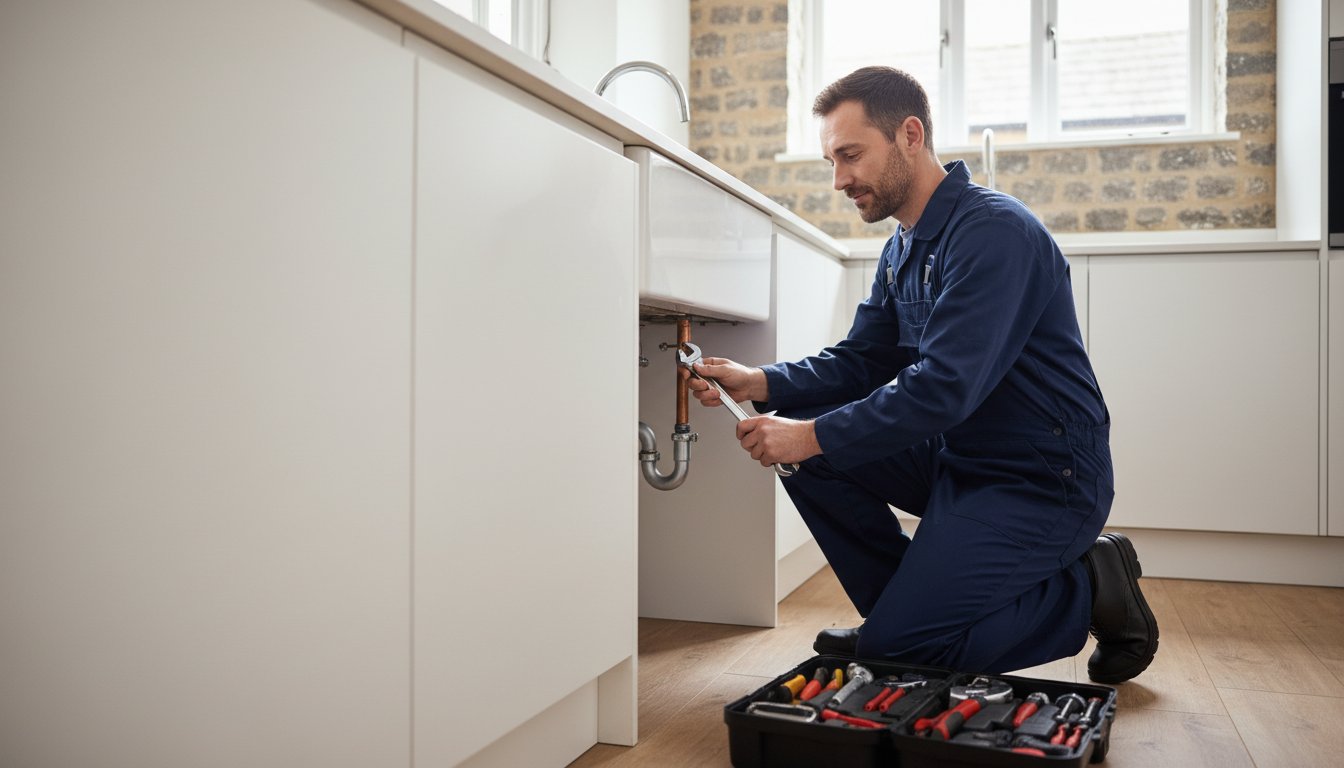
[…] for a 100% watertight finish. Regular maintenance checks like these are part of our comprehensive plumbing maintenance checklist that helps prevent costly […]
[…] experience throughout the house without the need for noisy individual pumps. Scheduled plumbing maintenance allows our engineers to test your current flow rates and determine if an unvented cylinder is the […]
[…] this plumbing maintenance checklist to see if there are other small jobs to bundle into the same […]